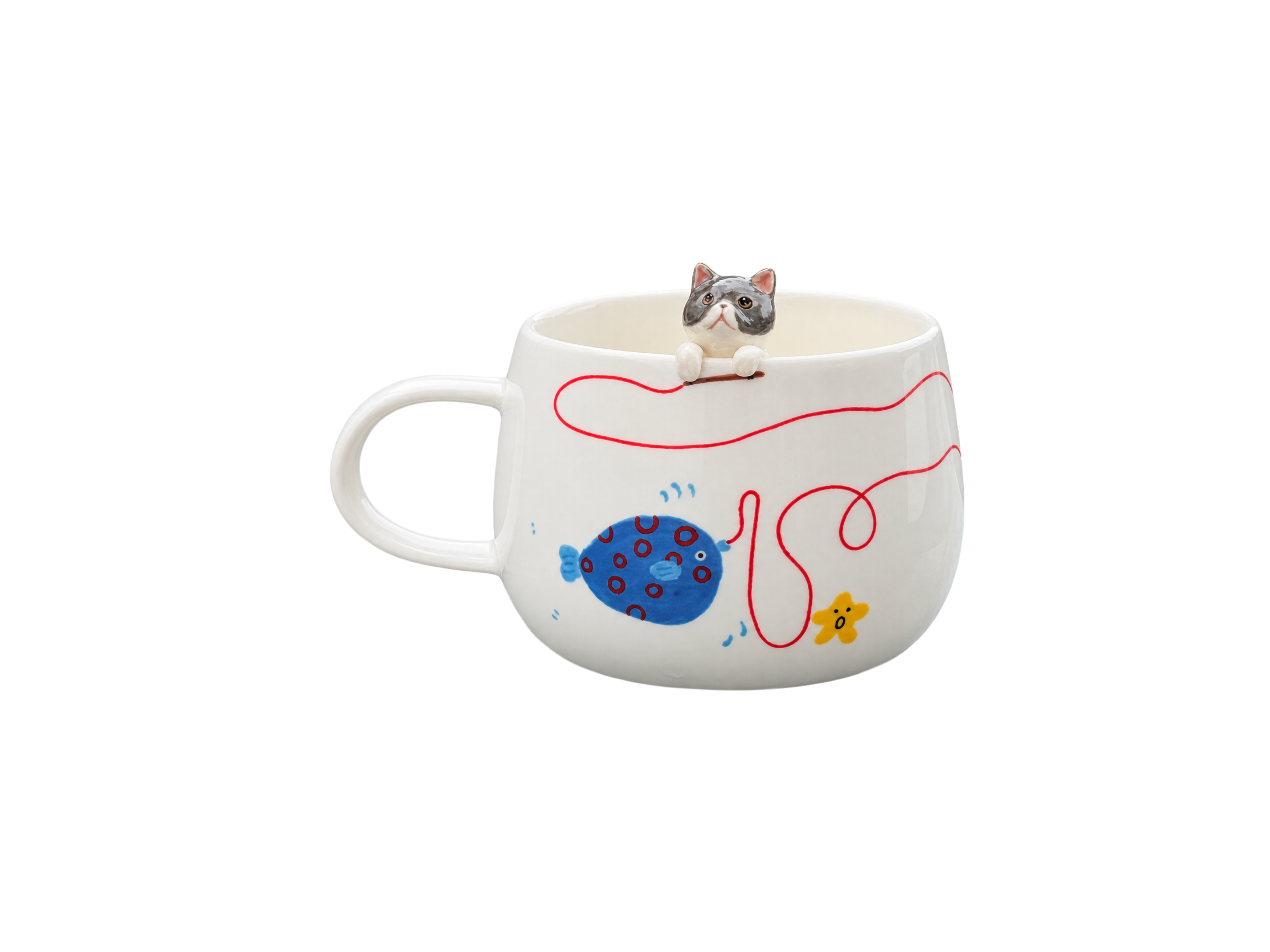
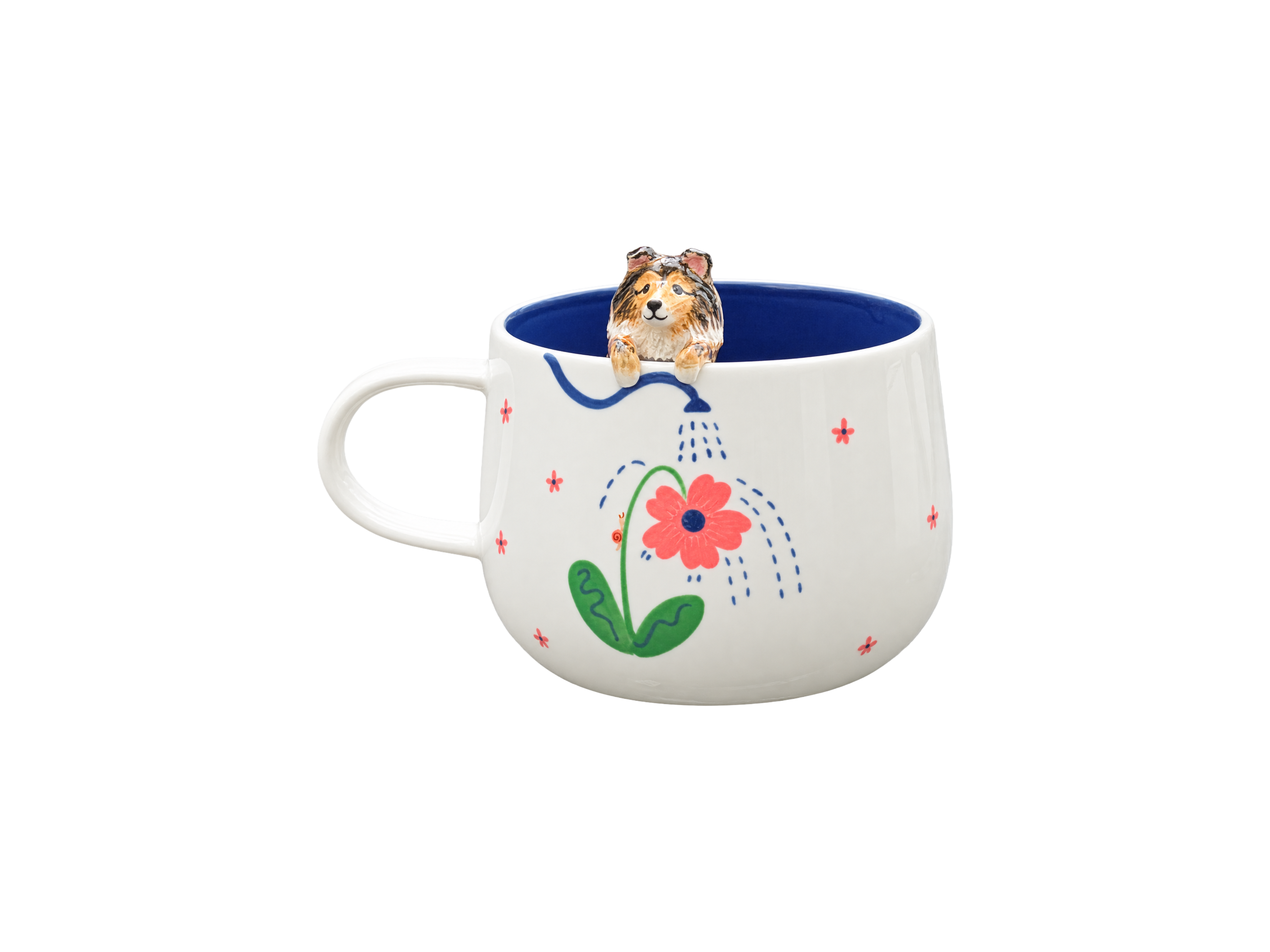
After spending more time together during the holidays, returning to work or school can abruptly change a dog's or cat's daily routine. To ease the transition, gradually re-establish schedules, start with short absences, maintain regular activity times, and observe any behavioral changes. If signs are intense or persistent, consult a veterinarian.
Why can the back-to-school period disrupt an animal's balance?
During holidays, schedules are often less regular. Walks might be longer, household members more present, and doors less often closed all day.
The return to routine can sometimes introduce several simultaneous changes:
- earlier waking times;
- meals served at different hours;
- multiple people leaving at the same time;
- decreased interactions during the day;
- later return home;
- fewer work-from-home days.
Not all animals react in the same way. Some adjust to their routine without difficulty. Others need a more gradual transition, especially if they have become accustomed to an almost continuous presence.
Well-being must be assessed for each individual and in their environment. The Anses reminds us that it includes physical as well as mental state and the satisfaction of behavioral needs.
Should we immediately talk about separation anxiety?
No. Isolated agitation or a displaced object is not enough to make a diagnosis.
Unusual behavior can be linked to many causes: boredom, change in routine, lack of activity, medical problem, external noise, insufficient access to certain resources, or a real difficulty related to separation.
In dogs, signs observed during or around absences may include:
- repeated vocalizations;
- agitation;
- destruction, especially near access points;
- unusual elimination;
- panting or salivation without other explanation;
- refusal of a usually enjoyed activity;
- difficulty calming down after departure cues.
In cats, the change can be more subtle:
- tendency to hide more;
- change in appetite;
- excessive grooming;
- change in litter box use;
- unusual vocalizations;
- irritability or increased seeking of contact;
- decrease in usual activities.
The Cornell Feline Health Center indicates that a change in schedule can be a source of stress for some cats. However, medical causes must be ruled out before attributing behaviors like excessive licking solely to a change in routine.
First step: gradually re-establish work schedules
When possible, do not go directly from an almost constant presence to a long day of absence.
A few days before returning to work, start gradually adjusting your routine to what it will actually be:
- wake up at your usual working day time;
- move meals to their scheduled times;
- walk the dog at times compatible with the future workday;
- plan cat play sessions at times you can maintain;
- spend short periods in another room;
- take short trips without bringing the animal.
This predictability does not mean that every day must be identical down to the minute. It simply allows the animal to regain consistent landmarks.
The American Veterinary Medical Association advises gradually reintroducing the work day routine and practicing short absences before increasing their duration.
Second step: work with very short absences
For an animal that already shows difficulty staying alone, starting with an absence that is too long risks immediately putting it in a situation it cannot manage.
The general principle is to:
- prepare a calm situation;
- briefly leave the room or home;
- return before the difficulty becomes intense;
- repeat with adapted durations;
- increase very gradually.
There is no universal progression. For some animals, the first step can last a few minutes. For others, it is necessary to start with much smaller changes, such as closing a door for a short moment.
The Cornell University College of Veterinary Medicine recommends gradual desensitization for dogs with separation-related difficulties, accompanied by a predictable routine.
If each attempt immediately causes severe distress, it is better to seek professional support rather than mechanically extending absences.
Third step: prepare a suitable environment
A toy does not replace a walk, interaction, or veterinary follow-up. However, a well-prepared environment can help the animal occupy itself and access its resources during absence.
For a dog
Depending on its age, health, and habits, you can provide:
- a suitable walk before departure;
- a quiet resting area;
- accessible fresh water;
- a suitable and safe food-based occupation;
- a chew toy chosen according to its size and chewing style;
- attenuated external noises if these bother it;
- a comfortable temperature.
A walk should not solely aim to "tire out" the dog. Time spent exploring and sniffing can also be part of an appropriate activity.
Food-based occupations should be integrated into its daily ration and chosen with its health in mind. If in doubt, ask your veterinarian.
For a cat
A cat should be able to choose between activity, observation, and retreat. Its environment can include:
- one or more elevated spots;
- accessible hiding places;
- a sturdy scratching post;
- a quiet resting area;
- water, food, and a clean litter box;
- safe toys;
- an opportunity to safely observe the outside;
- small food-seeking activities if suitable for it.
The change in routine should not be compensated by a sudden accumulation of objects. Introduce new items gradually and keep only those that the cat actually uses.
Dog and cat needs are not identical
A dog can very visibly show its discomfort upon departure. A cat might wait several days before the change is noticed, or express its difficulty through changes in eating, grooming, or litter box habits.
| Observation Point | Dog | Cat |
|---|---|---|
| Before Departure | Agitation, constant following, reaction to keys or shoes | Seeking contact, withdrawal, or unusual vigilance |
| During Absence | Vocalizations, destruction, repeated pacing | Prolonged hiding, unusual inactivity, resource modification |
| Upon Return | Difficulty calming down from excitement | Seeking contact, avoidance, or irritability |
| Useful Environment | Rest, olfactory activity, safe occupation | Height, hiding spots, scratching post, play, and separate resources |
| Professional Help | Veterinarian, then behaviorist if indicated | Veterinarian before concluding behavioral cause |
This comparison provides benchmarks, not a diagnosis. An indoor camera may help observe what is actually happening, provided the privacy of people in the home is respected. It does not replace a consultation.
What to do upon departure and return?
Departures and returns should remain predictable and adapted to the animal.
Before leaving:
- check water and necessary resources;
- complete the planned outing or activity;
- avoid creating a long emotional sequence every morning;
- only leave occupations that the animal uses safely;
- secure windows, wires, plants, and fragile objects.
Upon return:
- observe the animal's general state;
- allow the dog to go out as needed;
- then offer a calm moment of interaction;
- clean up any accidents without late punishment;
- check food, water, and litter box.
Punishing an animal upon return for behavior produced during absence does not explain what was expected. The AVMA advises against this reaction when signs of anxiety or destruction are observed and recommends reducing difficulty before progressing more slowly.
Can a daytime visit help?
Depending on the duration of absence and individual needs, several solutions can be considered:
- a household member returning midday;
- a visit from a trusted person;
- a walk by a professional;
- occasional boarding;
- work-from-home day;
- adapted care at a relative's home;
- the animal's presence at the office when allowed and genuinely comfortable for it.
Taking a dog to work is not automatically the best solution. The National Order of Veterinarians reminds that the environment must be safe and calm, the animal must be gradually accustomed to it, and its age, health, sociability, or anxiety level can be contraindications.
It is also necessary to respect colleagues, allergies, potential fears, internal regulations, and the animal's need for rest.
When should you consult a veterinarian?
Seek advice when you observe, in particular:
- self-mutilation or injury;
- attempted escape;
- intense vocalizations or agitation;
- dangerous destruction;
- persistent loss of appetite;
- significant change in water consumption;
- vomiting, diarrhea, or urinary problems;
- excessive grooming causing lesions;
- sudden change in behavior;
- inability to progress despite very short absences.
A veterinarian can look for a physical cause, evaluate behavior in its context, and, if necessary, refer to a veterinary behaviorist or other qualified professional.
Puppies, kittens, elderly animals, and animals with chronic illnesses require specific organization. No universal number of hours suits all.
Maintain a bond without confusing needs
When returning to work, it is natural to miss your pet. A photograph on the desk or a personalized mug can keep a familiar look, silhouette, or small habit close by.
This object accompanies the human; it does not prepare the animal to be alone. For the animal, gradual progression, a suitable environment, a consistent routine, and attention to signs of discomfort are what matter.
Therefore, returning to work does not require reinventing the entire relationship. Instead, it encourages gently rebuilding a rhythm that everyone can recognize. And when the day ends, reunions can become a simple, anticipated moment, without having to mend a too abrupt transition.
FAQ
How many days does it take to re-accustom a dog to being alone?
There is no universal duration. Progress depends on its history, age, and reactions. Absences should increase at a pace it can tolerate without significant distress.
Does a cat also suffer from the return to work?
Some cats react to changes in schedules or presence. Signs can be subtle: withdrawal, altered appetite, excessive grooming, or change in litter box use.
Should I leave the TV on?
Background noise may suit some animals, but it is not a universal solution. Test it when you are present and observe the reaction.
Can food-based enrichment be left during absence?
Yes, if it is appropriate, used safely, and integrated into the daily ration. Consult your veterinarian in case of health problems or specific dietary needs.
When to contact a veterinarian?
Consult in case of injury, attempted escape, persistent refusal to eat, urinary problems, sudden change, or distress that does not improve with very gradual progression.