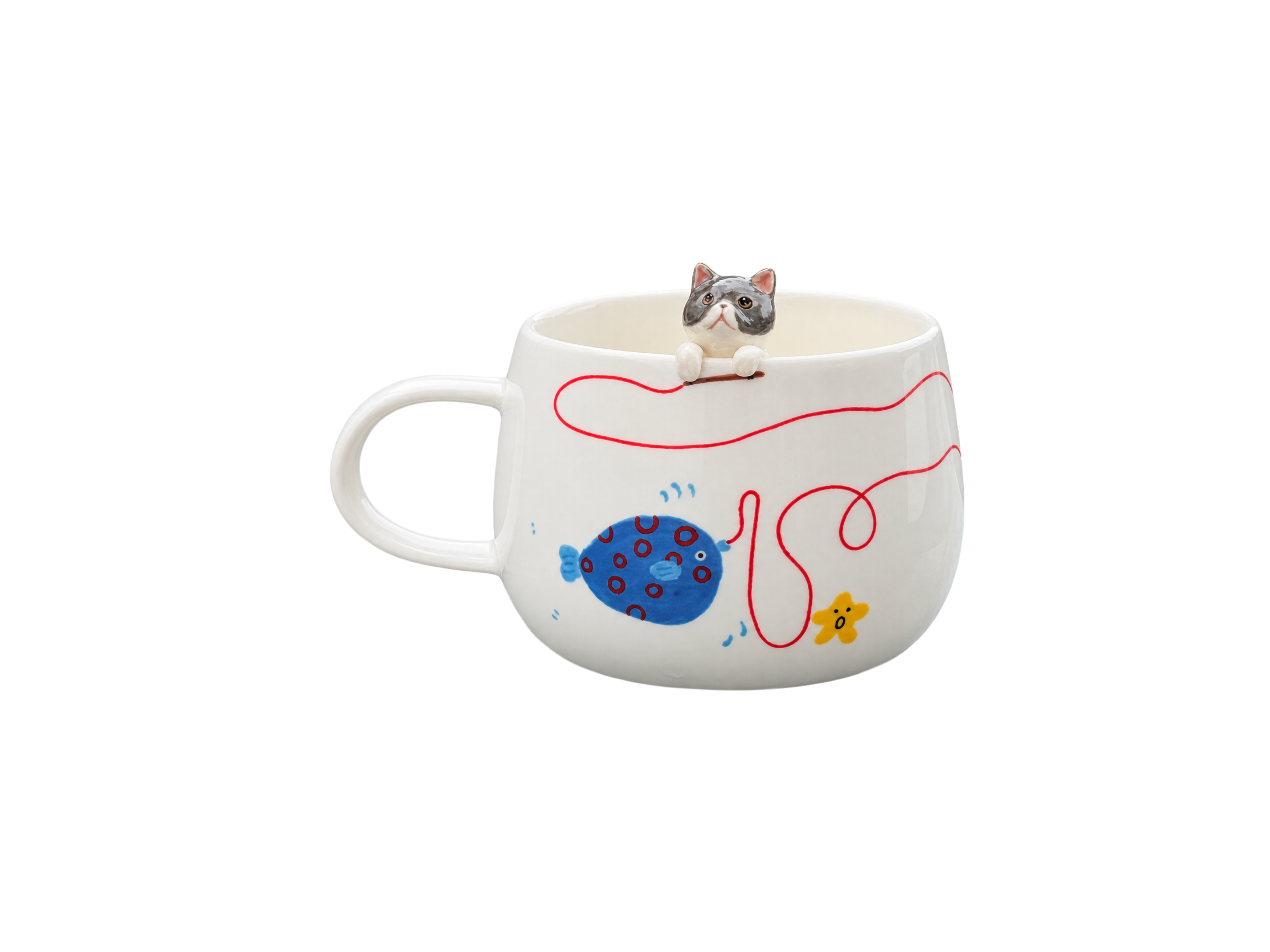
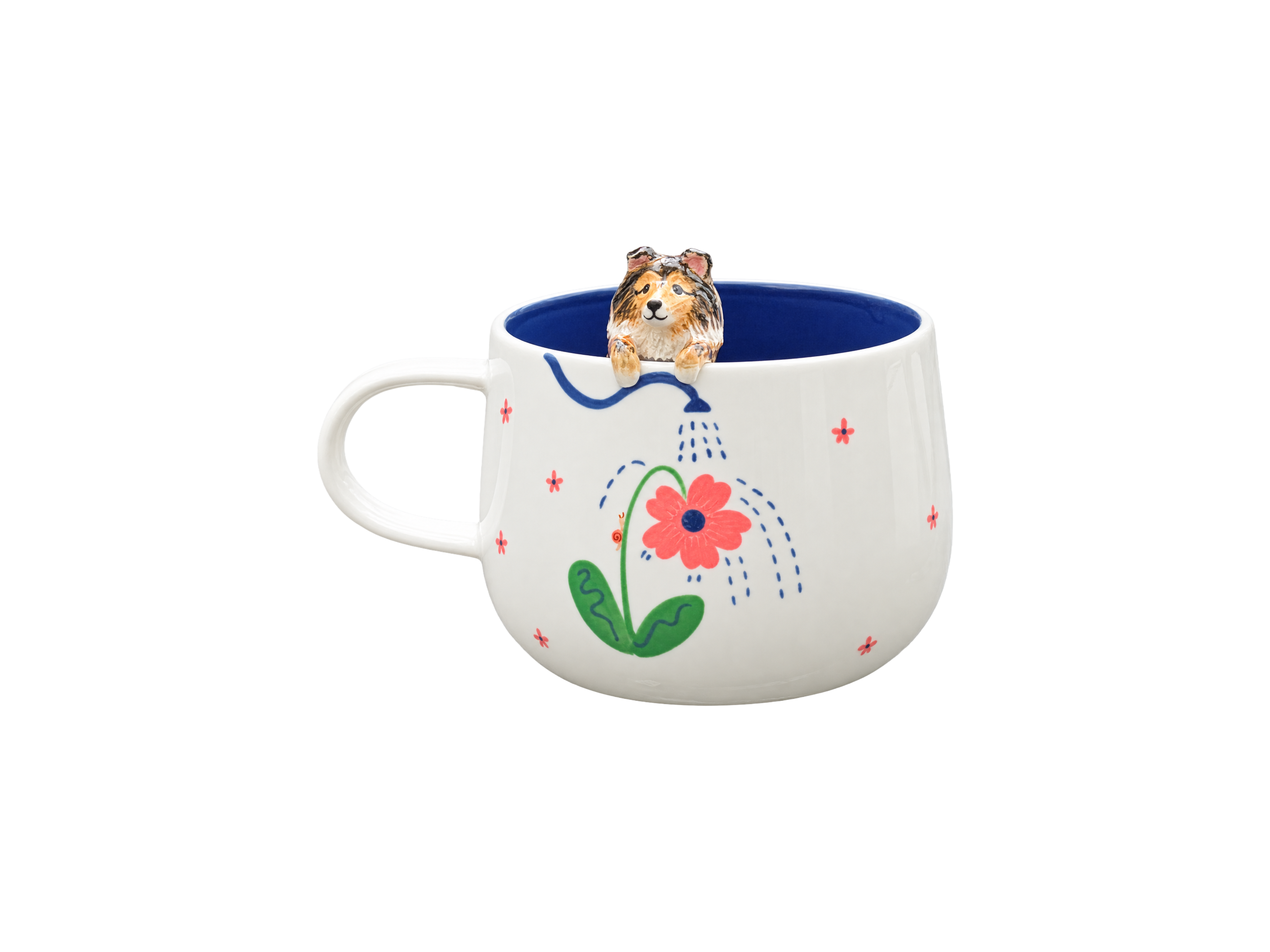
Yes, a custom creation can represent many companions other than a dog or a cat. A rabbit, horse, bird, guinea pig, hamster, or reptile can inspire a painted portrait or a sculpted figurine. However, feasibility depends on the chosen product, the animal's morphology, the desired composition, and especially the quality of the available photographs.
A pet is not necessarily a dog or a cat
French law defines a pet as any animal kept or intended to be kept by a person for their enjoyment. This definition, enshrined in Article L214-6 of the Rural and Maritime Fishing Code, is therefore not limited to dogs and cats.
The term NAC, for "nouveaux animaux de compagnie" (new companion animals), commonly refers to other species kept as companions. The Ministry of Agriculture notably cites rodents, birds, reptiles, amphibians, and fish.
This term brings together animals with extremely different morphologies. A method adapted for a cat portrait cannot, therefore, be applied without careful consideration to a parrot, a snake, or a horse.
Maison Scott indicates in its FAQ that requests can concern animals other than dogs and cats. However, each project must be evaluated according to the chosen creation and the available visual references.
What makes an animal recognizable?
To prepare a customization, the first question is not just "what species is it?", but "what makes this individual recognizable?".
This could be:
- the shape and orientation of the ears;
- a particular mark around an eye;
- the color of the beak;
- the length of the mane;
- a scale pattern;
- the shape of the tail;
- the distribution of colors on the body;
- a habitual posture;
- a visible difference between the two sides of the body.
Two rabbits of the same breed can have very different markings. Two birds of the same species can be distinguished by a shade of plumage, the shape of a crest, or a familiar attitude.
Successful customization therefore relies less on a generic representation of the species than on a few details specific to the animal.
What photos should be provided depending on the animal?
For a rabbit
A rabbit's face can look very different depending on whether it is photographed from the front or in profile. Its ears, silhouette, and fur distribution often play an essential role.
Ideally prepare:
- a clear photograph of the face;
- a full body view;
- a profile view;
- an image clearly showing both ears;
- a photograph of any spots on the back or flanks;
- an image of its usual posture.
For a lop-eared rabbit, the position and length of the ears are particularly important. For a long-haired rabbit, it is also necessary to show the general shape under the volume of the fur.
For a horse or pony
A horse portrait can focus on the head, but a sculpted figurine requires more information about the body's proportions.
Useful photographs include:
- a view of the head taken at the animal's height;
- a profile view showing the muzzle;
- a full body view;
- white markings on the forehead and limbs;
- the color and length of the mane;
- a photograph of the tail;
- an image showing its characteristic attitude.
A photo taken with a lens very close to the muzzle can distort proportions. It can be endearing, but should not be the only reference.
If the horse usually wears a halter, blanket, or other equipment, specify whether this element should appear or if you want to represent the animal without accessories.
For a bird
For a bird, the silhouette, beak, wing pattern, and tail length are as important as the gaze.
If possible, provide:
- a clear side view;
- a photograph of the face and beak;
- an image showing the wings folded;
- a view of the tail;
- a photograph taken under neutral light;
- a detail of colors or patterns that are difficult to distinguish.
Avoid cage bars crossing the face or obscuring the feet. A photo taken in a familiar environment, without forcing the bird to change position, is preferable to a stressful staged shot.
If the plumage color changes significantly depending on the light, send several images and indicate which one best matches the colors observed with the naked eye.
For a guinea pig, hamster, or other small rodent
For small mammals, photographs taken from above tend to hide the face, belly, and actual length of the legs.
Try to gather:
- a photo of the face at its level;
- a profile view;
- a full body photograph;
- a detail of the ears;
- an image showing spots on both sides;
- a photograph of the fur if its texture is characteristic.
For a very small animal, sharpness is more important than the resolution advertised by the phone. A slightly more distant but properly focused image is more informative than a blurry close-up.
For a reptile or amphibian
A reptile can be recognized by its silhouette, the shape of its head, its dorsal pattern, or the distribution of its colors.
The most useful references are:
- a complete view of the body;
- a photograph of the head;
- a top view for dorsal patterns;
- a side view;
- an image showing the tail;
- a photograph taken under lighting that does not excessively alter colors.
For a snake, it is important to show the head, the body pattern, and the general silhouette. For a turtle, the shell must be visible from several angles. For a lizard, the legs, toes, any crest, and the length of the tail provide useful information.
The feasibility of a very thin or very elongated figurine must be confirmed before ordering, as not all shapes lend themselves equally well to a relief attached to a mug.
What about a fish?
A fish can be represented in a painting from a clear side photograph. However, reflections from the aquarium, plants placed in front of the body, and colored lighting can mask its true shades.
Try to photograph:
- the complete profile;
- fins naturally spread;
- patterns visible on both sides;
- the shape of the head;
- colors under as neutral lighting as possible.
The possibility of creating a figurine or a particular composition must be confirmed by Maison Scott before ordering.
Summary table of priority photos
| Animal | Essential photos | Details not to forget |
|---|---|---|
| Rabbit | Front, profile, full body | Ears, markings, fur texture |
| Horse | Head, profile, full body | Blaze, stockings, mane, tail |
| Bird | Profile, face, folded wings | Beak, plumage, crest, tail length |
| Small rodent | Face at animal's level, profile | Ears, fur, side markings |
| Reptile | Full body, head, top view | Scales, dorsal pattern, tail |
| Fish | Clear profile | Fins, natural patterns and colors |
A single excellent photo can sometimes be enough to understand a painted portrait. For a sculpted figurine, multiple angles are preferable.
Should you choose a painted portrait or a sculpted figurine?
The choice depends on what makes the animal recognizable.
A painted portrait is particularly suitable when the visual identity is based on:
- the colors of the plumage;
- scale patterns;
- a mark on the face;
- the shades of the fur;
- the gaze or expression.
A sculpted figurine becomes interesting when the animal is primarily recognizable by:
- the shape of its ears;
- its posture;
- the length of its tail;
- the body silhouette;
- a particular way of holding itself.
For a bird with very distinctive colors, painting can be central. For a rabbit whose ears or sitting position are immediately recognizable, volume can add more. The two techniques can also complement each other when a model allows it.
The article on choosing between painted portrait and sculpted figurine can be linked here with its definitive URL.
Can multiple species be represented together?
A creation can sometimes bring together several animals, including different species. However, it is necessary to check the available space and the clarity of the composition.
To prepare a project bringing together, for example, a rabbit and a cat:
- provide a separate set of photos for each animal;
- indicate their actual relative size;
- specify if they should be represented side by side;
- point out the essential details of each;
- request confirmation that the chosen product accommodates this composition.
It is not necessary to have a photograph where all the animals appear together. Sharper individual images often provide better references.
However, you should not invent a size difference or a particular proximity if this staging does not match your intention. A written note accompanying the photographs helps to avoid this ambiguity.
How to photograph the animal without constraining it?
Photography intended for a creation does not justify forcing an animal into an unusual position.
The Ministry of Agriculture reminds that animal welfare includes its physical but also its mental state. It is therefore preferable to use a calm moment and a familiar situation.
Some simple principles:
- photograph the animal in its usual environment;
- place yourself at its level rather than lifting it;
- use soft natural light;
- wait for a spontaneous posture;
- avoid accessories added solely for the photo;
- do not pursue an animal that tries to move away;
- distribute the photographs over several moments if necessary.
A calmly taken portrait is often more expressive than a carefully organized pose that is unfamiliar to the animal's behavior.
What should you ask the workshop before ordering?
Before choosing a creation for a less commonly represented animal, check:
- if the species can be adapted to the chosen product;
- if a painted portrait, a figurine, or a combination is preferable;
- how many photographs are needed;
- if all body parts can be represented;
- if thin or elongated elements should be simplified;
- if multiple animals can appear together;
- if the collection's decor remains compatible with the silhouette.
A cautious response from the workshop is not a lack of know-how. Certain forms must be adapted to remain legible and compatible with the ceramic support.
An interpretation, not a mechanical copy
Whether it's a rabbit, a horse, or a reptile, a Maison Scott creation remains a hand-painted or sculpted interpretation. It does not mechanically reproduce every hair, feather, or scale.
The resemblance relies instead on careful selection of:
- general proportions;
- dominant colors;
- distinctive markings;
- the shape of the face;
- the silhouette;
- a familiar attitude.
Before sending your photographs, ask yourself what detail would make you recognize your animal even in a very simple drawing. This answer is often the best indication to convey to the workshop.
Dogs and cats hold a significant place in personalized items, but they do not encompass all the bonds we build with animals. A slightly curved beak, two long ears, an uneven mane, or a scale pattern can carry an equally precise memory.
You can consult the Maison Scott Gallery, then contact the workshop with several photographs to determine which form of creation will best suit your companion.
FAQ
Does Maison Scott only customize dogs and cats?
No. Other animals can be considered, including rabbits, horses, birds, or certain NACs. Feasibility depends on the model, composition, and photographs provided.
How many photos should be sent for a rabbit or a bird?
Ideally, provide a face view, a profile, and a full body photograph. Add details if certain markings are only visible from one side.
Can a snake be sculpted onto a mug?
A long and thin shape may require adaptation to remain solid and legible. Feasibility must be confirmed for the chosen model.
Can a horse be represented solely from a headshot portrait?
This may be suitable for a painting focused on the face. For a full-body figurine, profile views and photographs showing the limbs, mane, and tail are necessary.
Can multiple species be combined in one creation?
Sometimes yes. Send separate photos of each animal, indicate their relative size, and ensure the chosen format offers enough space.