You do not have to decide immediately what to do with your pet’s collar after they die. Keep it intact and somewhere safe first. Later, you may store it, display it with a photograph, separate the tag, include it in a memorial, donate it if suitable, or leave it exactly as it is. The kindest choice is the one that feels manageable to you.
Why a pet’s collar can feel so difficult to move
A collar is an ordinary object until it is no longer being worn. Then its familiar shape, the sound of the tag and even the marks left by daily use can carry an entire routine: the walk before breakfast, the quiet return home, the moment a cat appeared at the door.
That is why deciding what to do with a collar can feel unexpectedly important. The choice is not really about tidying. It is about deciding how close, visible or unchanged a physical reminder should remain.
There is no correct timetable. Cornell University’s pet-loss guidance notes that grief is individual and includes keeping a collar, tag, photograph or artwork nearby among possible ways to remember a pet. The PDSA’s bereavement advice similarly emphasises that there is no single right memorial.
Begin with the most reversible choice
When grief is fresh, a permanent decision can feel heavier later. Before cutting the collar, attaching it to another object or giving it away, place it somewhere protected and revisit the question after a few weeks or months. Waiting is a decision in itself.
Three small steps can preserve your options:
- Photograph the collar and tag from several angles, including any worn areas, stitching or engraved details that matter to you.
- Remove personal information from view if the collar will be displayed, donated or photographed publicly. An address or telephone number may still be readable on the reverse of a tag.
- Ask before altering a shared keepsake. If several people loved the animal, one person may want the collar kept intact while another prefers a visible memorial.
Eight gentle options for a pet’s collar
1. Keep it exactly as it is
You do not need to turn the collar into anything. Placing it in a drawer, box or cupboard can be the least demanding choice. You can decide whether you want to see it again and when. If its scent or untouched appearance matters to you, avoid cleaning it until you are sure.
2. Create a simple memory box
A memory box can hold the collar alongside a favourite photograph, a name tag, a handwritten memory, a small toy or a copy of veterinary paperwork that records an important date. It keeps related objects together without requiring them to be permanently fixed or altered.
Both Blue Cross and Cats Protection include collars, tags and memory boxes among the keepsakes people may choose after a pet dies.
3. Frame it in a shadow box
A deep frame allows the collar to keep its curved shape. Pairing it with one clear image and a short inscription often feels calmer than filling every space. If the tag contains private information, turn it inward or use only the name-facing side.
Choose a wall away from direct sun and damp. Light can fade textiles, photographs and painted surfaces over time, so a hallway or bedroom wall is usually gentler than a bright window ledge.
4. Place it on a small memorial shelf
A collar can rest beside a photograph, a candle that is lit only when attended, or a portrait object. Keep it away from an edge where it could fall and from heat, steam or strong sunlight. A shelf does not have to become a permanent shrine; it can remain for a season and change when you are ready.
5. Carry the tag rather than the whole collar
Some people attach the name tag to a key ring, place it in a wallet or wear it on a chain. This makes the remembrance private and portable. Check for sharp edges and remember that an old tag may wear more quickly when it rubs against keys or jewellery. If preserving the original matters most, carry a photograph or a replica instead.
6. Use the collar as a visual reference for a memorial
The colour, buckle, pattern and tag can help identify a pet in a portrait or custom ceramic without changing the collar itself. Photograph these details in daylight, then store the original safely. You may choose to show the collar in the finished portrait, or use its colour as a quieter accent.
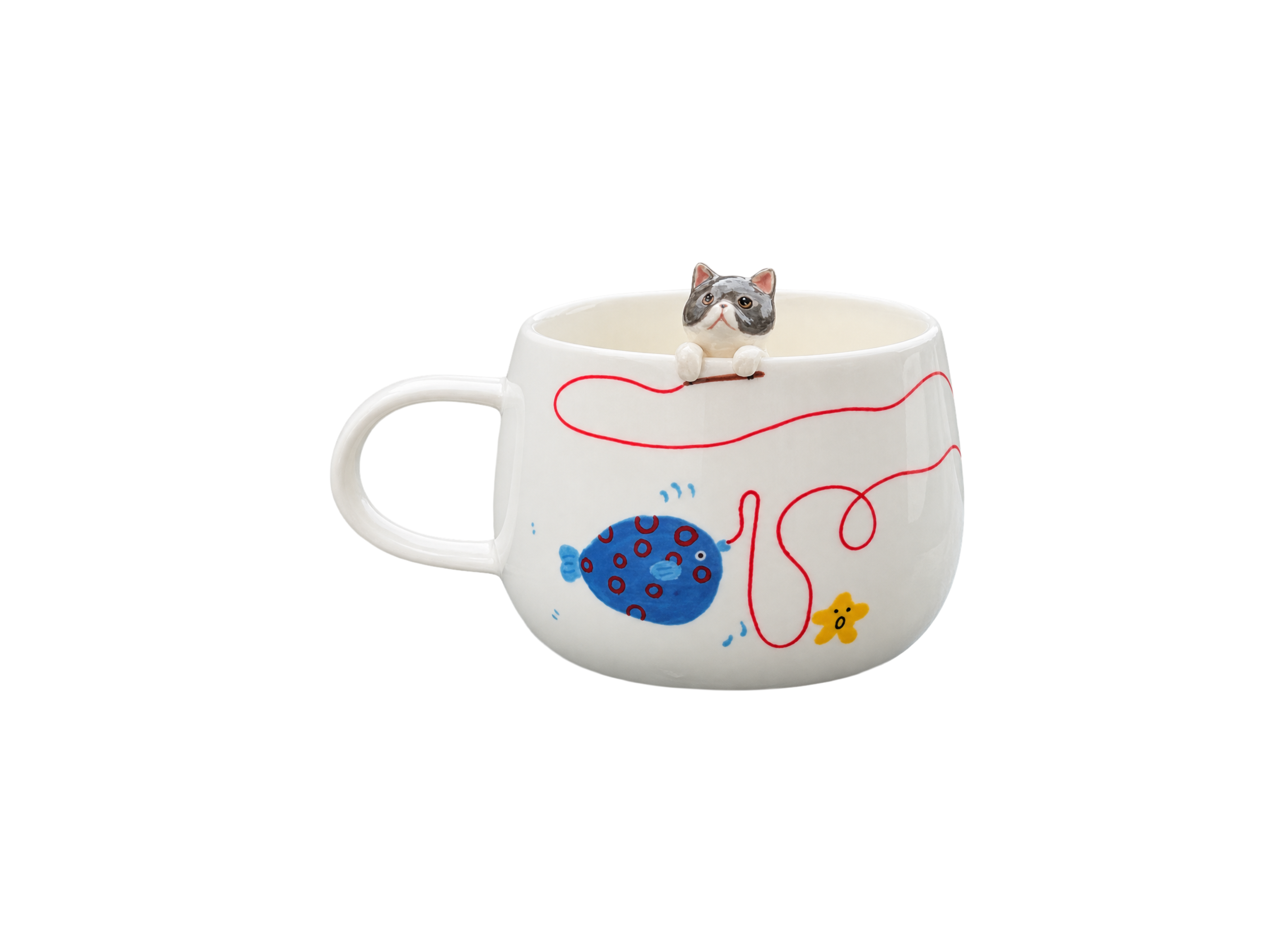
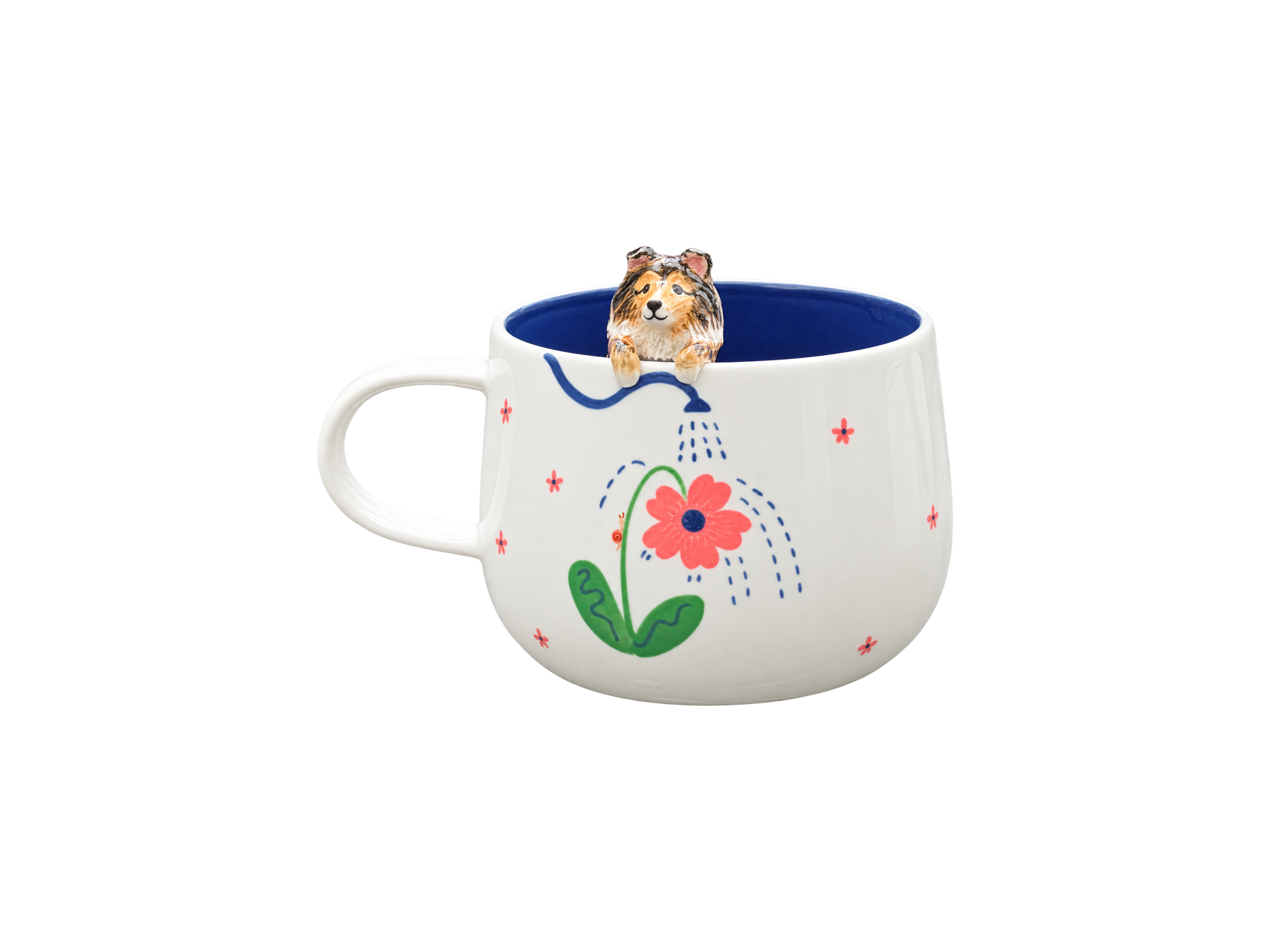
If you are considering a personalised object, browse the Maison Scott universe to think about style before deciding what should be included. A memorial can be recognisable without reproducing every detail.
7. Donate it, if that feels right
A clean collar in safe condition may be useful to a local rescue, shelter or community pet cupboard, but ask first: policies and practical needs vary. Remove the identification tag and inspect the buckle, stitching and adjustment points. Do not donate an item that is cracked, frayed or unreliable.
Donation is not a test of whether you have “moved on”. It is simply one possible use for an object. If giving it away feels wrong, you are under no obligation to do so.
8. Postpone the decision
Place the collar in a labelled box and choose a date to reconsider it—perhaps in six months or after an anniversary. A future date can quiet the feeling that you must decide today, while preventing the object from being discarded accidentally.
Which option may suit you best?
| Choice | Visibility | Reversible? | May suit you if… |
|---|---|---|---|
| Keep it stored | Low | Yes | You want time and privacy |
| Memory box | Low to medium | Yes | You want related keepsakes together |
| Shadow box | High | Usually | You want a visible, composed memorial |
| Carry the tag | Private | Yes | You prefer a small daily connection |
| Portrait or ceramic reference | Medium to high | Yes | You want the collar remembered without altering it |
| Donate the collar | None at home | No | Passing it on feels meaningful |
These choices are not mutually exclusive. You might photograph the collar, keep the tag, donate the usable strap and later commission a portrait from the images. The important distinction is between what can be undone and what cannot.
How to store a pet collar with care
For short-term storage, keep the collar dry, shaded and supported in its natural curve. Avoid placing heavy objects on top of it. Separate loose metal tags if they are rubbing against painted, leather or textile surfaces, but keep the pieces together in a labelled envelope.
For longer preservation, use a clean box and acid-free tissue rather than newspaper or strongly coloured paper. Do not seal a damp or recently cleaned textile or leather collar in airtight plastic. The Smithsonian’s textile-storage guidance recommends protecting textiles from direct light, moisture and pressure, while the National Museum of African American History and Culture advises keeping original keepsakes safely stored when a copy can be displayed instead.
If the collar is muddy or soiled, decide first whether cleaning would remove something you value, such as its familiar scent or patina. When cleaning is appropriate, follow the maker’s care instructions for the specific material and let it dry completely before storage.
Should you reuse the collar for another pet?
There is no moral answer. Reusing a collar may feel practical and comforting to one person, while another may experience it as replacing something that belonged to a particular animal. Both reactions are valid.
If you do reuse it, check that the collar fits the new pet correctly and that the buckle, stitching and adjustment hardware are still dependable. Replace the identification details immediately. If the old collar is emotionally important or physically worn, keeping it as a memorial and choosing a new collar is often the simpler option.
When the collar becomes part of a memorial gift
Never cut, punch, glue or frame someone else’s pet collar as a surprise. Offer the idea first and let the bereaved person decide whether the original object may be altered. A photograph of the collar can inspire a portrait without risking the keepsake itself.
If you are supporting another person, our guide to pet memorial gift etiquette explains when a gift may feel welcome, and what to write on a pet memorial gift offers gentle wording that avoids clichés.
When grief makes object decisions impossible
Put the collar somewhere safe and ask a trusted person to make sure it is not thrown away. You do not need to sort every possession at once. The collar can remain untouched while you decide what kind of memory feels bearable.
If grief is making daily life difficult, support is available. Cornell’s pet-loss resources and the PDSA guidance above include ways to find someone who understands companion-animal bereavement. Seeking help does not make the bond excessive; it recognises that the relationship mattered.
Frequently asked questions
Is it okay to keep my pet’s collar forever?
Yes. Keeping the collar is a personal memorial choice, not something that needs justification. Store it away, display it or revisit the decision later.
Can I donate a used dog or cat collar?
Possibly. Contact the intended rescue or shelter first, remove the identification tag and donate only a clean collar with reliable hardware. Acceptance policies vary.
Should I wash the collar before storing it?
Only after deciding whether scent, wear or patina matters to you. If you clean it, use guidance suited to the material and allow it to dry fully before placing it in a box.
Is it safe to display a pet collar in sunlight?
Direct sunlight can fade many textiles, photographs and painted surfaces. A shaded interior wall or a stored original with a displayed photograph is a gentler long-term choice.
What if family members disagree about the collar?
Start with a reversible arrangement: keep the original intact, make photographs for everyone and delay any donation or alteration. A shared keepsake should not be permanently changed without agreement.
A keepsake may wait until you are ready
Your pet’s collar does not need an immediate new purpose. It can remain an everyday object, become part of a quiet memorial or be passed on when that choice feels right. If, in time, you would like to translate its colours or details into a personalised piece, you can gently explore Maison Scott’s creations or ask a question before deciding.