A thoughtful pet memorial gift should acknowledge the animal, respect the owner's pace and leave them free to decide when—or whether—to display it. There is no universal “right week” for giving one. Start with a private message, use the pet's name, and choose a keepsake only when you are confident it will feel supportive rather than emotionally demanding.
Why pet memorial gift etiquette matters
When a dog, cat or other companion dies, friends often want to do something tangible. The intention is generous, yet a memorial gift is different from an ordinary birthday present. It carries an image, a name and a moment of loss. The recipient may treasure it immediately, need time before opening it, or prefer not to keep a visible reminder at all.
Good etiquette is therefore less about finding the “perfect” object than about protecting the grieving person's choices. The RSPCA's guidance on coping with pet loss emphasises that grief has no fixed timetable. That principle should guide both the timing and the form of your gift.
Begin with acknowledgement, not a purchase
Before ordering anything personalised, send a short private message. A sincere note tells the owner that their animal mattered and gives you a sense of how openly they want to talk about the loss.
Use the pet's name if you know it. You might write:
- “I am so sorry about Milo. He was deeply loved.”
- “I keep thinking about the way Nala greeted everyone at the door.”
- “There is no need to reply. I just wanted you to know that I am thinking of you and Léon.”
Avoid explaining the loss, searching for a lesson or encouraging the person to “move on”. Guidance from the LSU School of Veterinary Medicine recommends listening without judgement, avoiding comparisons and not imposing a timeline on grief. It also cautions against asking for painful details when the person has not chosen to share them.
When should you give a pet memorial gift?
There is no date that suits everyone. The right moment depends on the relationship, the recipient's wishes and the kind of gift.
In the first few days
Keep the gesture simple. A card, a message, flowers, a meal or practical help may be easier to receive than an unexpected portrait. The person may be dealing with veterinary arrangements, an empty routine and intense emotions. A permanent object can wait.
After the first conversations
If the owner is sharing photographs, telling stories or speaking about ways to remember the animal, a personalised keepsake may feel welcome. You can ask gently: “Would you like me to make something from one of these photographs, or would you rather keep them as they are?”
Asking does not make the gift less thoughtful. It lets the recipient choose the image, the wording and the degree of visibility. For a highly personal object, consent is often more valuable than surprise.
Weeks or months later
A later gift is not “too late”. Support often becomes quieter after the first messages stop, while the absence remains part of daily life. A birthday, adoption anniversary or familiar seasonal ritual may bring the animal to mind again. A discreet note at that time can acknowledge the continuing bond without reopening the subject publicly.
Choose the form of the gift around the recipient
Think first about how the person lives with memories. Some people like a portrait in a shared room. Others prefer a small private object, a photograph stored in a drawer or a charitable gesture made in the animal's name.
A personalised ceramic keepsake
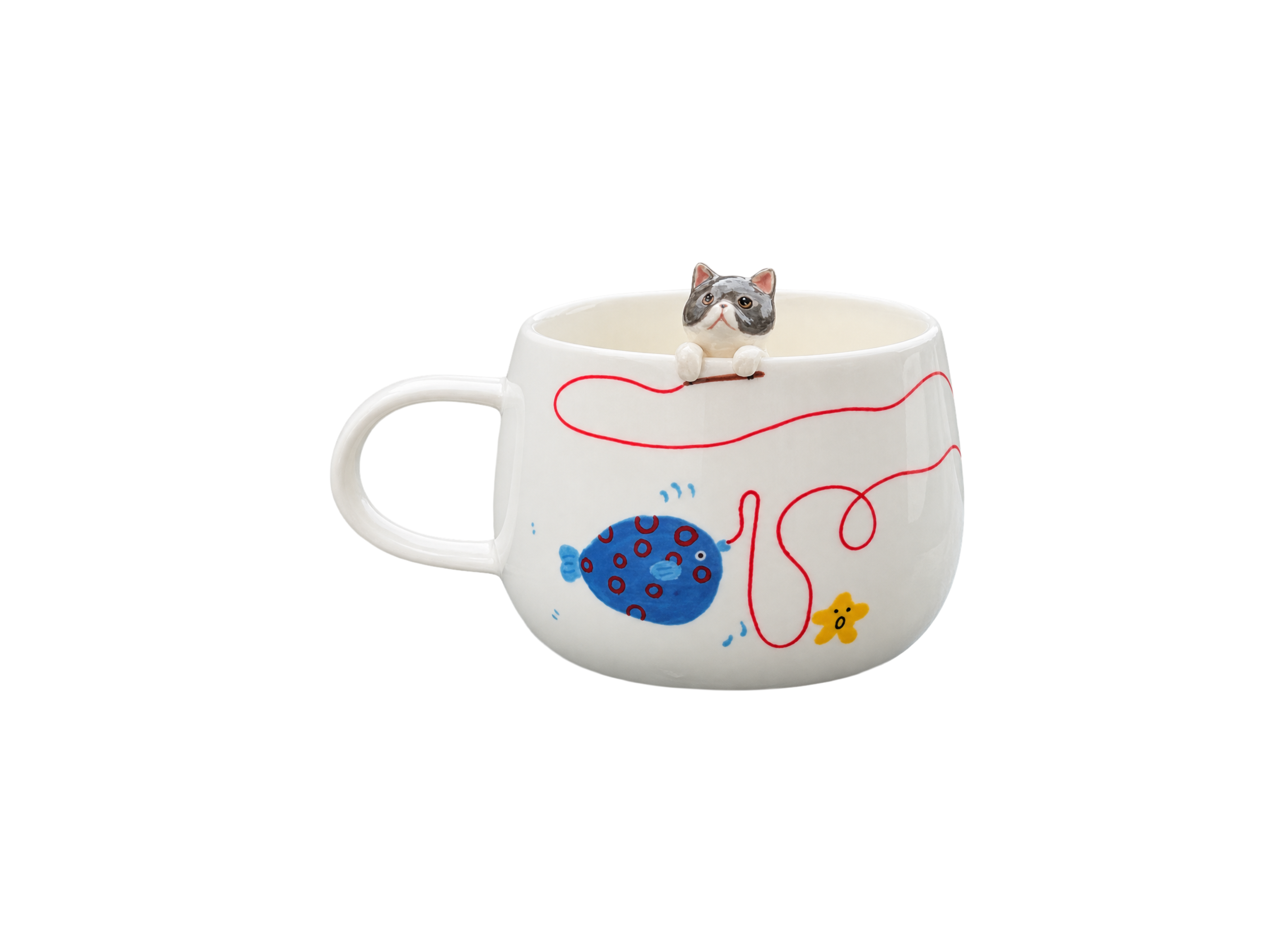
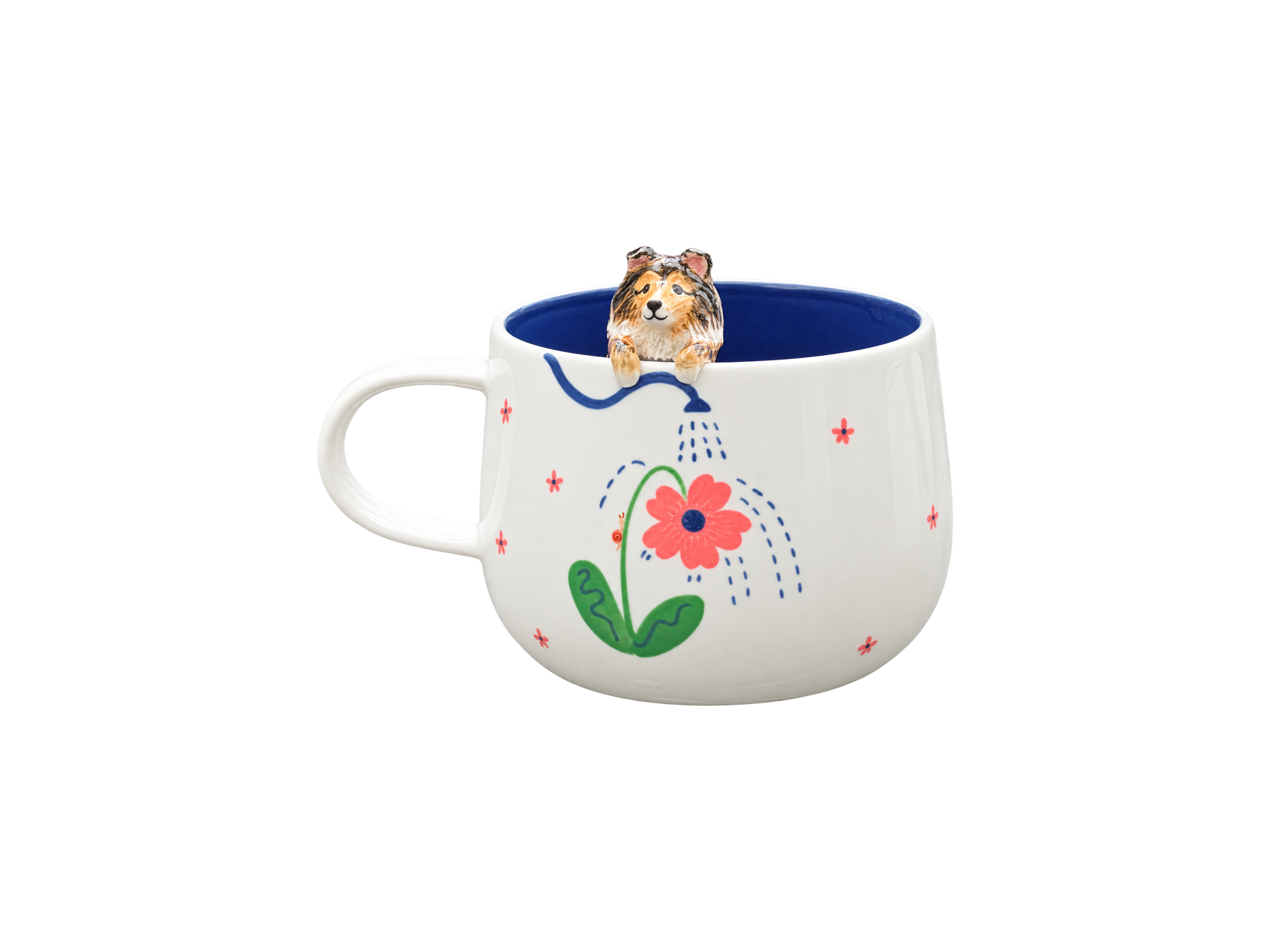
A custom ceramic piece can bring a familiar face into an everyday ritual. That closeness is precisely why it should be chosen with care. Consider whether the recipient would enjoy seeing the animal during morning coffee or whether that experience might feel too immediate.
If a ceramic portrait seems appropriate, verify the photograph, the spelling of the name and any inscription before ordering. A clear image that captures a familiar expression is more meaningful than an elaborate design. Browse the Maison Scott creations to decide whether the scale and style suit the recipient's home and habits.
A framed photograph or album
This can be a gentle choice when you already have permission to use the images. Select photographs that show the animal as the owner remembers them, not only the final days. A small album also allows the recipient to open it privately and at their own pace.
A donation or living tribute
For someone who does not want another object, a donation to a shelter or animal charity may be more suitable. Both the Blue Cross in-memory programme and the RSPCA describe donations and tribute pages as ways to honour an animal while helping others. Choose a cause connected to the pet when possible, and tell the recipient without turning the amount into the focus.
A card without a keepsake
Sometimes the most respectful gift is simply a handwritten memory. An object is not required to prove that you care. A card can be kept, reread or put away without asking the recipient to make decisions about display, style or storage.
When should you ask before personalising?
Ask first when the gift uses a private photograph, includes ashes or fur, features a prominent inscription, or will be given in a public setting. You should also ask if the loss was recent, traumatic or complicated, or if you do not know the recipient's beliefs about memorials.
A useful question is specific and easy to decline:
“I would like to have a small portrait made from this photograph of Oscar. Would that feel comforting, or would you prefer that I did not?”
This wording explains the idea without creating pressure. If the person hesitates, take that as an answer for now. You can still offer a card, practical help or your company.
How to choose a photograph respectfully
Do not assume that the most technically perfect image is the most meaningful one. The owner may value a particular expression, habit or moment. If you can ask, invite them to choose. If the gift must remain a surprise, consult someone close to them who knew the animal well.
Before using an image, check:
- that you have permission to use it;
- that the animal is clearly recognisable;
- that the expression feels characteristic rather than accidental;
- that the ears, eyes and distinctive markings are visible;
- that the file is large enough for the intended creation;
- that no person in the image would object to its use.
If the only available photo is old or imperfect, do not “invent” missing details. A maker can work with supporting photographs, but should be told which image best represents the expression, coat colour and proportions.
What to write with the gift
Keep the accompanying message short, personal and free from instructions about how to grieve. Name the animal and, if you knew them, mention one precise memory. Leave room for silence.
For example:
- “For the mornings when you want Luna close. There is no need to display this until it feels right.”
- “In memory of Pablo, whose gentle presence made every visit warmer.”
- “I chose this photograph because it holds the expression we all remember.”
Messages such as “at least you had many years”, “everything happens for a reason” or “you can get another pet” can minimise the relationship. The LSU veterinary guidance specifically advises against replacement language and forced optimism.
How to present the gift
Give a memorial gift privately whenever possible. A workplace gathering, restaurant or family celebration may leave the recipient feeling watched as they react. If you are posting the gift, add a note on the outer package saying that it contains a memorial keepsake and can be opened whenever they feel ready.
Avoid dramatic wrapping or a public reveal. Let the object arrive quietly. If it is fragile, package it securely and include simple care information, but do not make the recipient responsible for reassuring you that they like it.
What a memorial gift cannot do
A keepsake cannot remove grief, replace the animal or decide what remembrance should look like. Its role is smaller and more honest: to say that this life was noticed and that the bond deserves respect.
The Ohio State University Veterinary Medical Center's pet-loss guidance lists memorial activities, charitable donations and commissioned portraits among the options some people find helpful. They are possibilities, not prescriptions. The recipient remains the best judge of what offers comfort.
A simple decision checklist
- Have I acknowledged the loss before choosing a product?
- Do I know whether the recipient welcomes visible reminders?
- Do I have permission to use the photograph?
- Have I checked the pet's name and every personalised detail?
- Does the gift fit the recipient's home and daily routine?
- Can it be opened privately and put away without explanation?
- Am I giving it to support them, rather than to prompt a particular reaction?
Frequently asked questions
Is it appropriate to give a pet memorial gift immediately?
Sometimes, but a simple card or practical gesture is often easier in the first days. For a personalised portrait or ceramic keepsake, ask first unless you know the recipient would welcome it.
Is asking permission less thoughtful than a surprise?
No. Permission protects the recipient's emotional boundaries and helps you choose the right photograph, wording and format. The care is still yours; the decision remains theirs.
What if I did not know the pet well?
A brief condolence message may be more appropriate than a highly personalised object. You can say that you know the animal was deeply loved without pretending to share memories you do not have.
Can a memorial gift be given months later?
Yes. Grief has no fixed timetable, and a later acknowledgement can feel especially kind after the first wave of support has passed. Mention that there is no pressure to display or use the gift immediately.
What if I am unsure which photograph to use?
Ask the owner or someone close to them. If that is not possible, a gift card or a simple note offering to create something together later may be the gentler choice. You can also contact Maison Scott to discuss whether the available photographs are suitable before placing an order.
A gift that leaves room for memory
The best pet memorial gift does not tell someone how to grieve. It acknowledges a particular animal, respects the recipient's privacy and gives them control over when the keepsake becomes part of their home.
If you are considering a personalised ceramic piece, begin with the conversation rather than the object. A familiar photograph, a correctly written name and a quiet note can be enough to make the gesture feel personal, gentle and lasting.