The first Christmas without your pet may feel harder than ordinary days because familiar rituals make their absence more visible. There is no correct way to mark it. You can simplify plans, tell others what you need, keep or change traditions, and choose one small act of remembrance. A memorial is optional; the kindest plan is the one that leaves room for both grief and rest.
Why the first Christmas can feel so different
Grief often becomes sharper around occasions that used to have a rhythm of their own. Perhaps your dog waited beside the kitchen while dinner was prepared, your cat slept under the tree, or your pet was present in every family photograph. The season does not create the bond, but its repeated sights, sounds and routines can make the empty spaces easier to notice.
There is no schedule you are expected to follow. The Cornell Pet Loss Support Hotline explains that grief is highly individual and that there is no single right way to experience it. The American Veterinary Medical Association’s guide to pet-loss grief similarly notes that grief does not have to unfold as a neat sequence of stages. Feeling calm one morning and overwhelmed that evening is not a sign that you are going backwards.
It may help to lower the standard for what Christmas is supposed to look like. This year does not need to be joyful in the same way as previous years. It only needs to be manageable and honest.
Decide what you need from the day
Before accepting invitations or planning a memorial, ask a smaller question: what would make the day feel a little more bearable? The answer may be company, quiet, structure, distraction or permission to leave early.
- If you need quiet: shorten visits, turn down one invitation or plan a calm morning at home.
- If you need company: tell one trusted person that this first Christmas may be difficult and ask them to check in.
- If you need structure: decide in advance when you will eat, walk, call someone and rest.
- If you are unsure: keep plans flexible and give yourself an easy way to step outside or go home.
The RSPCA’s guidance on coping with pet loss recommends expressing what you feel, what has caused the feeling and what you need. You do not have to give a long explanation. “I am missing Poppy today, and I may need a quiet hour after lunch” is enough.
Keep, change or pause traditions
A tradition can be comforting when it feels like a continuation of love. It can also feel too painful when it highlights what has changed. Both reactions are valid.
Keep what still feels warm
You might take the same winter walk, hang a familiar ornament or include your pet’s name in a family toast. Keeping a tradition does not mean pretending that nothing happened. It can simply acknowledge that your pet remains part of the story of your home.
Change what feels too difficult
If opening presents in the usual room feels unbearable, move the gathering. If you always bought your pet a gift, you might redirect that money to an animal charity or save it for another purpose. A changed ritual is not a betrayal; it is an adjustment to the reality of this year.
Pause without making a permanent decision
You do not need to decide what every future Christmas will look like. Put one tradition aside for now and revisit it next year. Grief often becomes easier to carry, but you are not required to predict how or when.
Gentle ways to remember your pet at Christmas
A remembrance does not need to be public, elaborate or perfectly composed. Choose one act that feels proportionate to your energy.
- Light a candle for a few minutes and say your pet’s name.
- Place one favourite photograph somewhere visible for the day.
- Write down a small, ordinary memory that you do not want to forget.
- Add a photograph, collar tag or note to a private memory box.
- Take a familiar walk and notice one detail your pet would have enjoyed.
- Share one story at the table, then let the conversation move on naturally.
- Make a donation or offer practical help to an animal charity in their memory.
Cornell lists photographs, written memories, artwork and charitable giving among possible ways to memorialise a pet. The AVMA also describes looking at photographs, writing a tribute or letter and sharing memories as ways people may continue their bond. These are possibilities, not prescriptions. If none of them feels right, doing nothing ceremonial is also a valid choice.
When a keepsake feels right
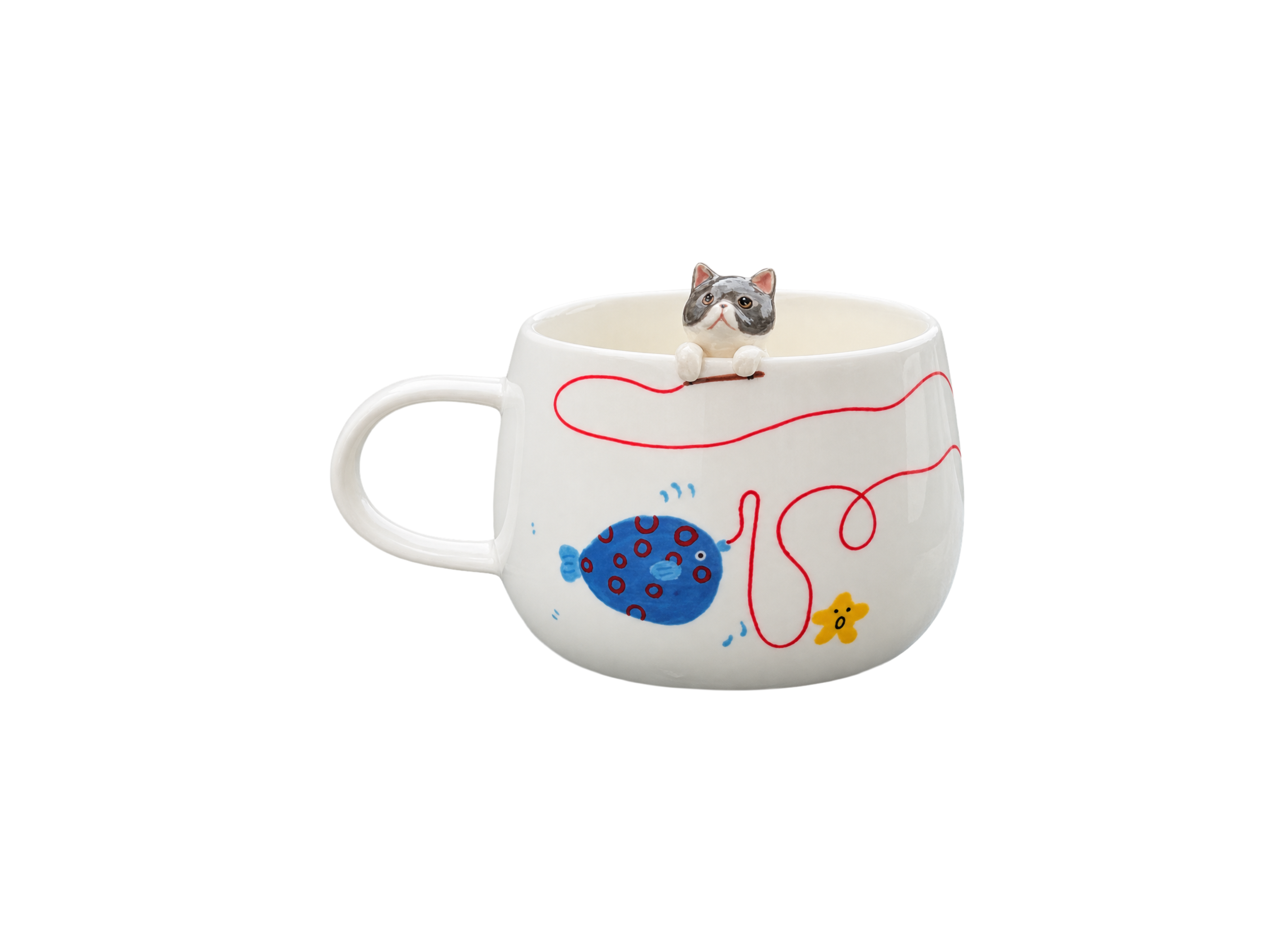
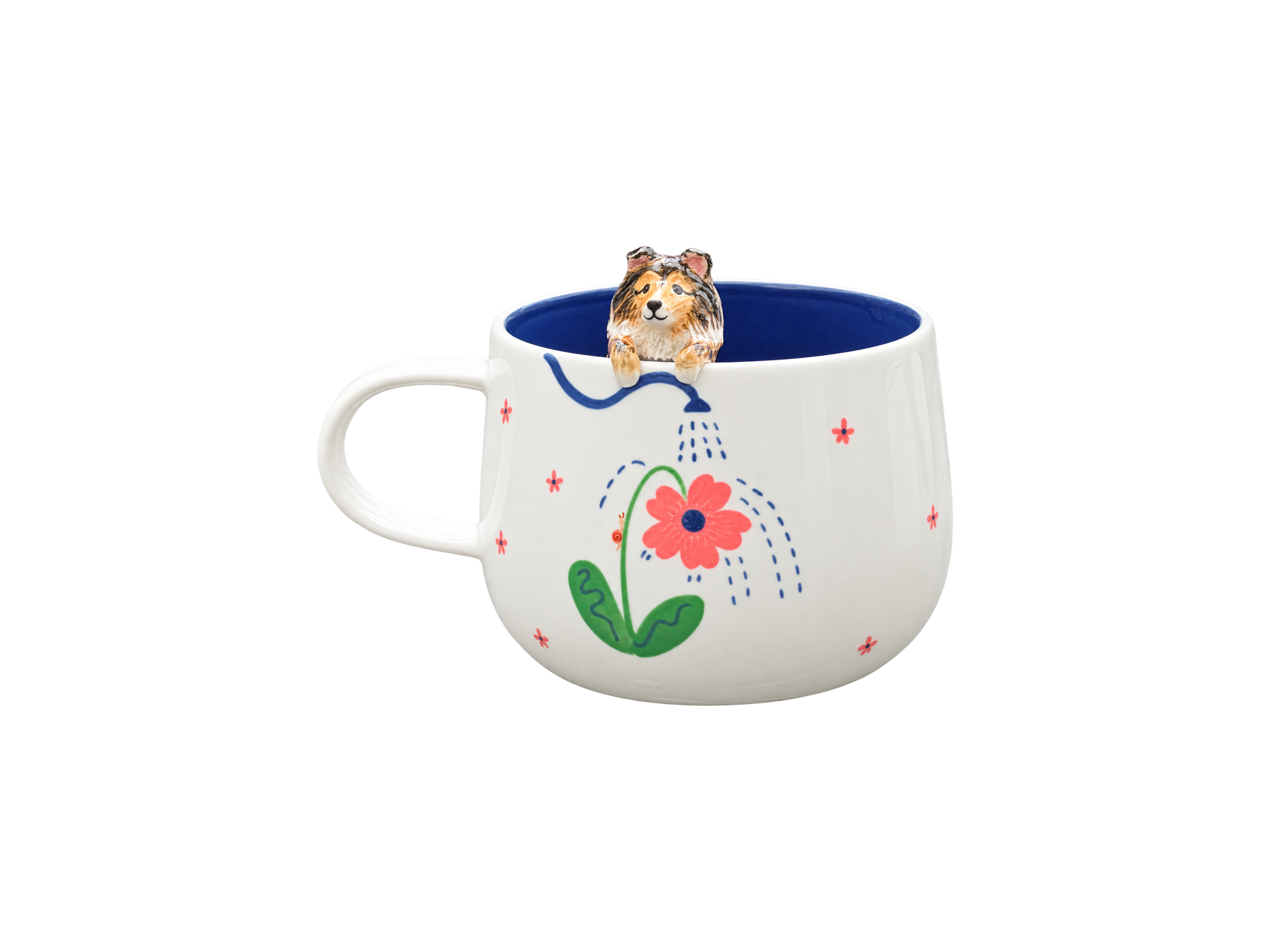
A keepsake can give a memory a quiet physical place, but it is not a cure for grief. Timing matters. Some people want a familiar face close by immediately; others need months before they can look at a portrait comfortably.
If you are considering a personalised ceramic, start with the photograph rather than the object. Choose an image that feels recognisably like your pet: a familiar expression, clear markings and the posture you remember. The most technically perfect photograph is not always the most meaningful one.
A mug or small ceramic portrait may suit someone who finds comfort in everyday rituals. A more private person may prefer a photograph kept in a drawer, a letter or no object at all. Maison Scott’s guide to pet memorial gift etiquette explores timing and consent when the keepsake is for someone else. If you are choosing for yourself, you may browse the Maison Scott collection of personalised pet ceramics slowly, without treating a purchase as a deadline.
Including children without forcing a ritual
Children may move between sadness and play more quickly than adults. They may ask the same question several times or become upset by a detail that seems small. Use clear, age-appropriate language and let their response guide the conversation.
Offer a choice rather than an assignment: draw a picture, choose a photograph, write the pet’s name on a card, or simply sit with the family. Do not insist that every child participates in a memorial moment. The RSPCA’s advice on supporting someone through pet bereavement emphasises listening, acknowledging the loss and respecting the person’s own pace. The same gentle principles help children feel included without making them responsible for comforting adults.
Remember surviving pets’ routines
If another pet shares your home, Christmas may already bring changes in visitors, noise and mealtimes. Keeping feeding, walking and sleeping routines reasonably consistent can offer stability. Cornell advises maintaining a surviving pet’s routine and seeking veterinary advice if changes in behaviour or appetite persist.
Try not to interpret every quiet moment as proof that your surviving pet is grieving in the same way you are. Observe what is actually happening, preserve familiar care and contact your vet if you are concerned. Your own grief deserves support too; caring for another animal does not mean you must hide it.
Supporting someone facing their first Christmas without a pet
If the loss belongs to a friend or relative, begin with acknowledgement rather than advice. Use the pet’s name. Mention a genuine memory if you have one. Ask whether they want company, practical help or space.
Avoid telling them to focus on happy memories, suggesting a replacement pet or comparing the loss with someone else’s. The RSPCA recommends listening without judgement, offering practical support and allowing the bereaved person to decide how much they want to talk. If you are considering a personalised memorial gift, ask first unless you know with confidence that a visible reminder would be welcome.
A simple message can be enough: “I know this is your first Christmas without Alfie. There is no need to reply, but I am thinking of you both.”
When grief feels too heavy
Pet bereavement can feel isolating, especially if people around you do not understand the place your animal held in your life. If grief is interfering with sleep, work, eating or your ability to manage daily tasks, consider speaking with your GP or a qualified mental-health professional.
In the UK, the Blue Cross Pet Loss Support service provides confidential support for people grieving a pet. Cornell also offers a veterinary-student pet-loss support hotline in the United States, while clearly noting that it is not an emergency or mental-health crisis service. Choose support that matches your location and needs.
If you are in immediate danger or feel you may harm yourself, contact your local emergency service or a crisis service in your country rather than waiting for a pet-loss helpline.
A simple plan for Christmas week
- Name the difficult moments. Identify one or two parts of the week most likely to feel hard.
- Tell one person. Let someone know what kind of support would help.
- Choose one remembrance, or none. Keep it small enough to change your mind.
- Protect the basics. Plan food, rest, fresh air and any medication you need.
- Leave room to step away. Have a quiet place or an early exit from gatherings.
- Reassess afterwards. Notice what helped without judging what did not.
Frequently asked questions
Is it normal to feel worse at Christmas after losing a pet?
Yes. Familiar routines and family occasions can make an absence more noticeable. Grief varies from person to person and does not follow a fixed timetable.
Should I put up my pet’s stocking or ornament?
Only if it feels comforting. You may display it, change where it hangs, keep it in a memory box or pause the tradition for this year. None of these choices changes how much your pet mattered.
What can I do if I do not want a memorial object?
You can write a private memory, take a meaningful walk, make a donation, share a story or do nothing formal. Remembrance is not measured by the number of objects you keep.
Is a custom pet memorial a suitable Christmas gift?
It can be, but only when the recipient would welcome a visible reminder. If you are unsure, ask first and let them choose the image, wording and timing.
How can I support someone on the day?
Use the pet’s name, acknowledge that the day may be difficult, listen without trying to fix the grief and offer one practical form of help. Respect it if the person prefers space.
A quiet way forward
The first Christmas without your pet does not need to become a test of resilience. Let the day be smaller if it needs to be. Keep what comforts you, change what hurts and remember that love can remain present without a perfect ritual. If a photograph, story or personalised ceramic gives that memory a gentle place, choose it in your own time.