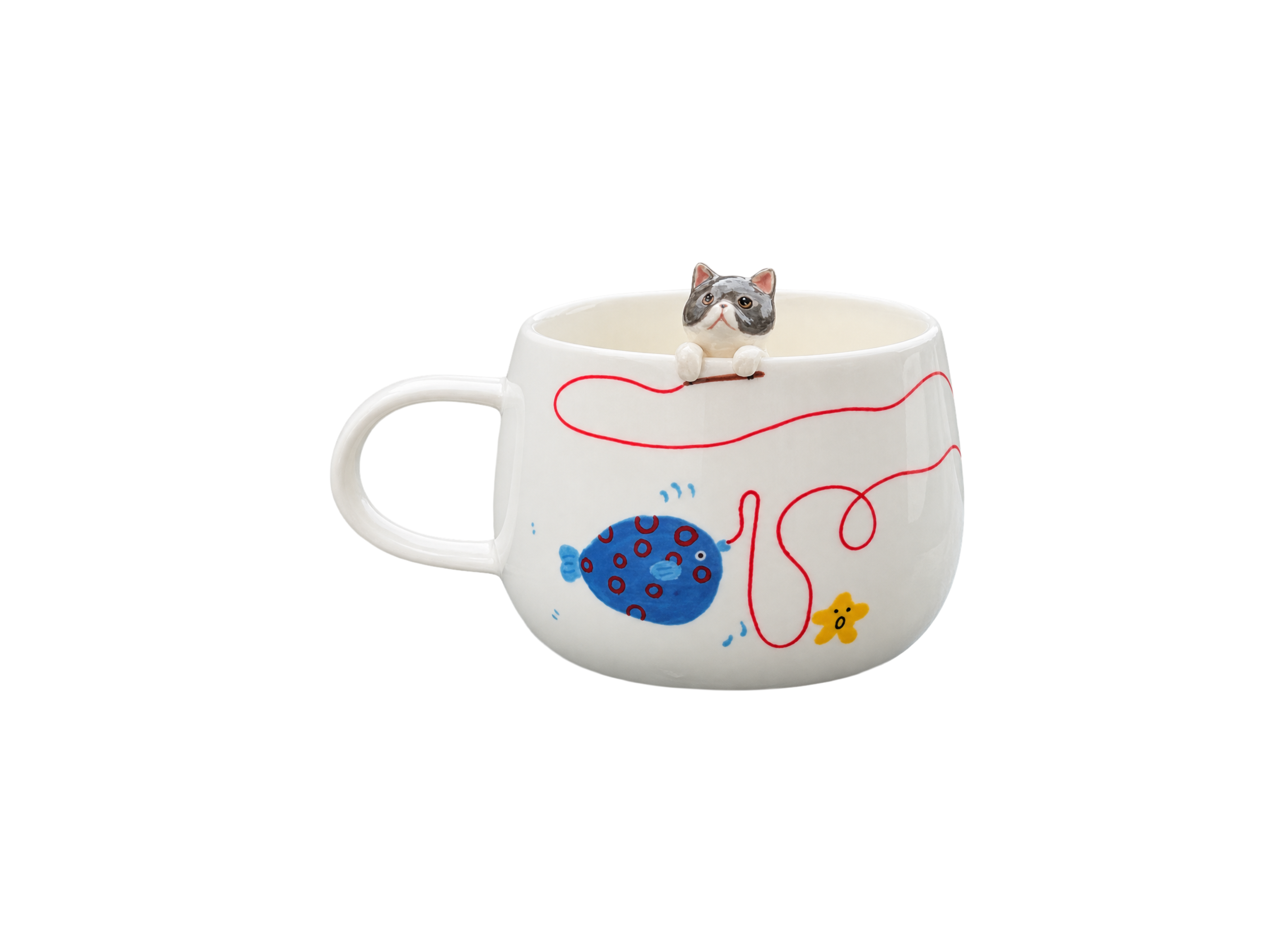
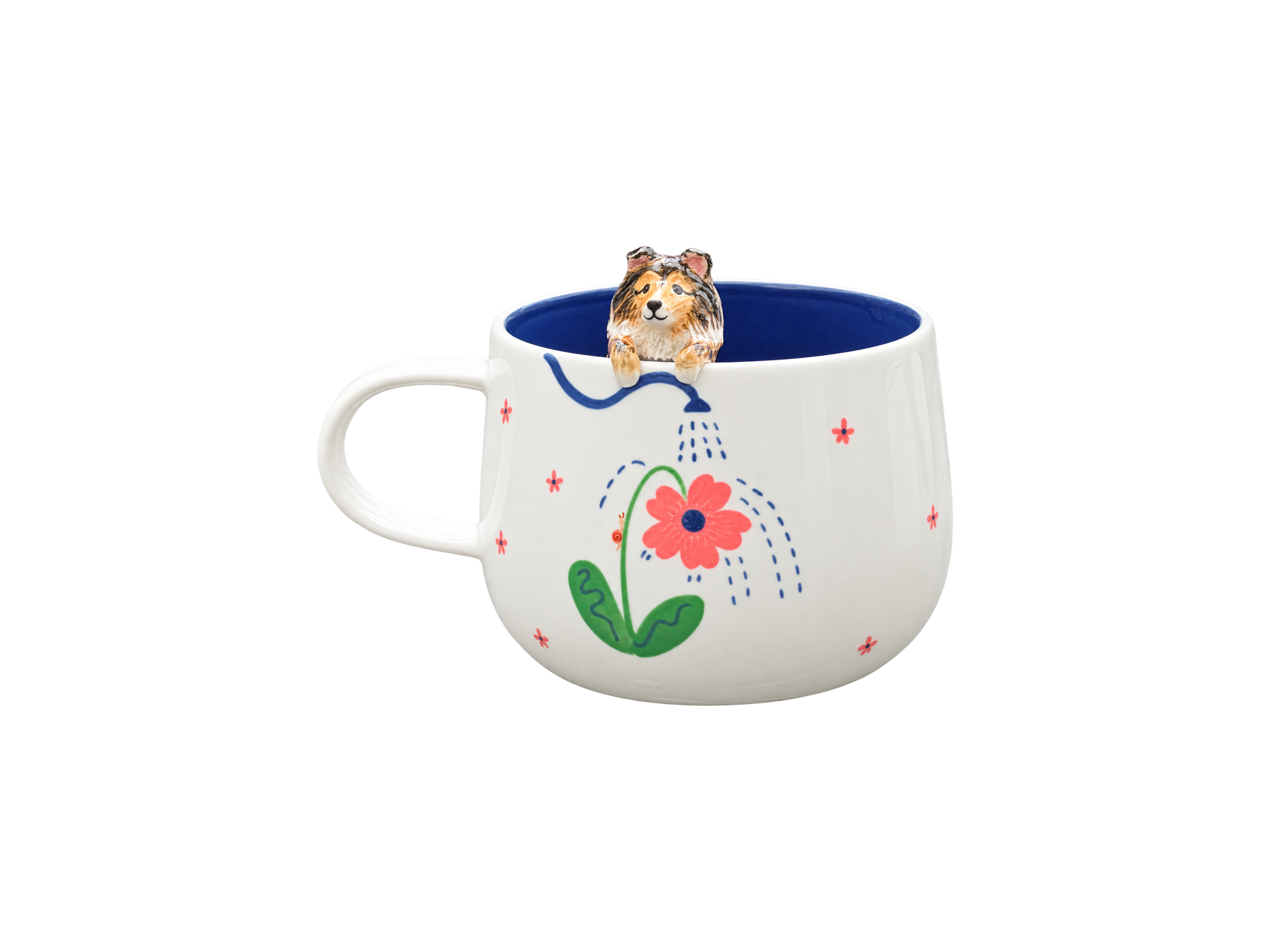
A headshot is usually the stronger choice when your pet’s expression, eyes, ears or facial markings carry the likeness. Choose a full-body composition when posture, silhouette, paws, tail or body markings are equally important. The right crop is not the one that shows the most; it is the one that preserves the details you would immediately miss if they were left out.
The short answer: choose the memory you want to keep
Before comparing colours, poses or decorative styles, ask what makes this animal unmistakably yours. For some pets, the answer is a tilted ear, a particular gaze or a small mark beside the nose. For others, it is a long body, a curled tail, oversized paws or the familiar way they sit.
A close portrait gives the face more visual space. A full-body portrait preserves more of the animal’s physical character, but each facial feature occupies less of the finished piece. Neither option is automatically more complete or more faithful. They simply give priority to different kinds of recognition.
When a pet portrait headshot works best
A head-and-shoulders composition concentrates attention on the eyes, muzzle, ears and expression. It is particularly useful when the finished format is small, because the face remains easy to read without being reduced to a tiny part of the design.
Consider a headshot when:
- the expression is the main reason you love the photograph;
- facial markings are more distinctive than body markings;
- the face is sharp but the body is blurred, hidden or cut off;
- the photograph was taken fairly close to the animal;
- you want a direct, intimate composition;
- the final object offers limited space for fine detail.
A close crop can also help when the original background is busy. Less scenery means fewer elements competing with the features that create the likeness. If you are still deciding which image should lead the artwork, the Maison Scott guide to the number of reference photos explains how a main image and supporting photos can serve different purposes.
When a full-body pet portrait tells more of the story
Some animals are recognised through their whole silhouette before the face comes into focus. A dachshund’s length, a greyhound’s stance, a cat’s plume-like tail, a rabbit’s upright ears or a bird’s characteristic posture can be essential parts of the portrait.
A full-body composition is often worth choosing when:
- the chest, legs, back or tail carry important markings;
- the animal has a distinctive shape or proportion;
- a seated, standing, curled or sleeping pose holds a strong memory;
- the paws, tail, wings or long ears matter to the likeness;
- you want the portrait to feel more narrative and less formal;
- the original photograph shows the entire animal clearly.
The trade-off is scale. When the whole pet must fit into the same ceramic surface or artwork, the eyes and small facial details become proportionally smaller. If those details are the emotional centre of the image, a closer crop may communicate more, even though it technically shows less.
Headshot or full body: a practical comparison
| Question | Headshot | Full body |
|---|---|---|
| What receives the most attention? | Eyes, expression, ears and facial markings | Posture, silhouette, paws, tail and body markings |
| What photo works best? | A clear close-up with the whole face visible | A sharp image showing the complete animal |
| What is the main advantage? | Facial details stay readable at a smaller scale | The animal’s pose and proportions remain part of the likeness |
| What is the main risk? | Cropping away a meaningful body feature | Making the face too small to show subtle detail |
| What feeling does it often create? | Direct, intimate and portrait-led | Narrative, playful or characteristic of daily life |
Judge the photograph before judging the crop
A full-body photograph is not automatically more useful because it contains more of the pet. If the animal occupies only a small part of the image, there may be less usable information than in a close phone photograph. Zoom in and check whether the eyes, ears, coat transitions and edges remain clear.
Likewise, a headshot should not cut through features that matter. Avoid a crop that removes the tips of distinctive ears, clips a large ruff, hides a collar you want included or excludes a recognisable chest marking. The crop should feel intentional rather than accidental.
Use supporting photographs when one image cannot carry every detail. A strong main photo can define the expression and angle, while additional images clarify the tail, coat pattern, proportions or colour. Supporting photos should explain the same animal, not ask the maker to invent a new pose by combining incompatible viewpoints.
Let the finished format influence the decision
The same photograph behaves differently on a large print, a small keepsake and a curved ceramic surface. A composition that feels spacious on a wall can become crowded when reduced. The more compact the format, the more carefully each detail must earn its place.
For a face-led painted portrait, a headshot can create immediate recognition. For a modelled or three-dimensional interpretation, body shape and posture may carry more information. Browse the Maison Scott custom pet creations to compare how painted and sculpted formats distribute attention across the animal.
Before ordering, confirm which crops and background changes are genuinely possible for the chosen product. A maker may be able to simplify a distracting setting, but no technique can recover facial information that was never visible in the source photograph.
Consider the background at the same time
A close portrait and a full-body composition require different amounts of surrounding space. A headshot can work with a simple colour field that frames the face. A full-body pose may need more breathing room around the paws, ears or tail so the silhouette does not feel squeezed.
Contrast also matters. A dark tail can disappear against a dark setting even when the face remains clear. A pale chest may blend into a light background. The guide to choosing a custom pet portrait background colour offers a useful next step once you have chosen the crop.
What changes when several pets appear together?
With two or more animals, a close crop can keep faces legible while reducing differences in body size. A full-body composition can preserve the relationship between a tall dog and a small cat, but it also requires more space and a reference set with compatible angles.
Ask whether the contrast in size is part of the memory. If it is, keeping more of the bodies may be meaningful. If the priority is equal attention to every expression, closer crops can create a more balanced group. Avoid enlarging one pet’s face dramatically while leaving another as a distant full-body figure unless the asymmetry is a deliberate choice.
A simple six-step way to choose
- Name the defining feature. Write down the first physical detail or gesture you associate with the pet.
- Check where it appears. If it belongs to the face, favour a headshot; if it belongs to the posture or silhouette, keep more of the body.
- Inspect the file at full size. Make sure the chosen area stays sharp enough to guide the work.
- Test two crops. Place a loose rectangle around the head and then around the full body. Notice which version feels more recognisable.
- Consider the final object. A small format cannot give equal emphasis to every feature.
- Keep useful supporting photos. They can confirm colours and markings without replacing the main composition.
Common mistakes to avoid
Choosing full body simply because it shows more
More information is not always more clarity. If the pet becomes a small figure surrounded by furniture, grass or floor, the portrait may lose the expression that made the photograph meaningful.
Cropping too tightly around the face
A close-up still needs room for the ears, coat volume and natural outline of the head. Long ears, whiskers and fluffy ruffs can feel cramped when the crop follows the face too closely.
Ignoring body markings
A headshot may look elegant but incomplete if the pet is known for a heart-shaped patch on the chest, striped legs or a white-tipped tail. List these traits before choosing the crop.
Asking one photograph to prove everything
The main image establishes the composition. Supporting images can clarify colour and anatomy. Keeping those roles separate makes your request easier to understand and reduces contradictory visual information.
Frequently asked questions
Is a headshot better for a small custom pet portrait?
Often, yes. A close crop gives the eyes and facial markings more space, which can make the likeness easier to read on a compact format. A full-body pose can still work when the silhouette is simple and the source image is exceptionally clear.
Can I use a full-body photo but request a headshot?
Yes, if the face remains sharp when the image is enlarged. Check the original file rather than a compressed screenshot. If the eyes and coat details become soft or pixelated, a separate close-up will be more useful.
What if the paws or tail are cut off?
Do not choose a full-body composition that depends on missing parts. Either use the photograph for a closer crop or provide another image that clearly shows the complete pose. Ask the maker before assuming that missing anatomy can be reconstructed accurately.
Which crop is best for a memorial portrait?
Choose the crop that holds the most recognisable memory. For one person that may be a quiet gaze; for another it may be the way the animal curled up, sat or carried its tail. Emotional significance matters more than following a universal portrait rule.
Should the collar stay in the portrait?
Keep it when it is part of how you remember the pet or when it adds a meaningful colour or identifier. Remove it when it distracts from the face or when the uncluttered coat line is more characteristic. State the preference clearly when ordering.
The strongest crop leaves nothing important behind
A good composition is an act of selection, not a competition to include every visible detail. Choose a headshot when the face carries the memory. Choose full body when posture, silhouette or markings complete the likeness. Then check that the source photograph supports that decision at the scale of the finished piece. When the crop protects what matters most, the portrait feels both simpler and more personal.
For questions about reference images, personalisation and ordering, consult the Maison Scott FAQ before confirming your creation.