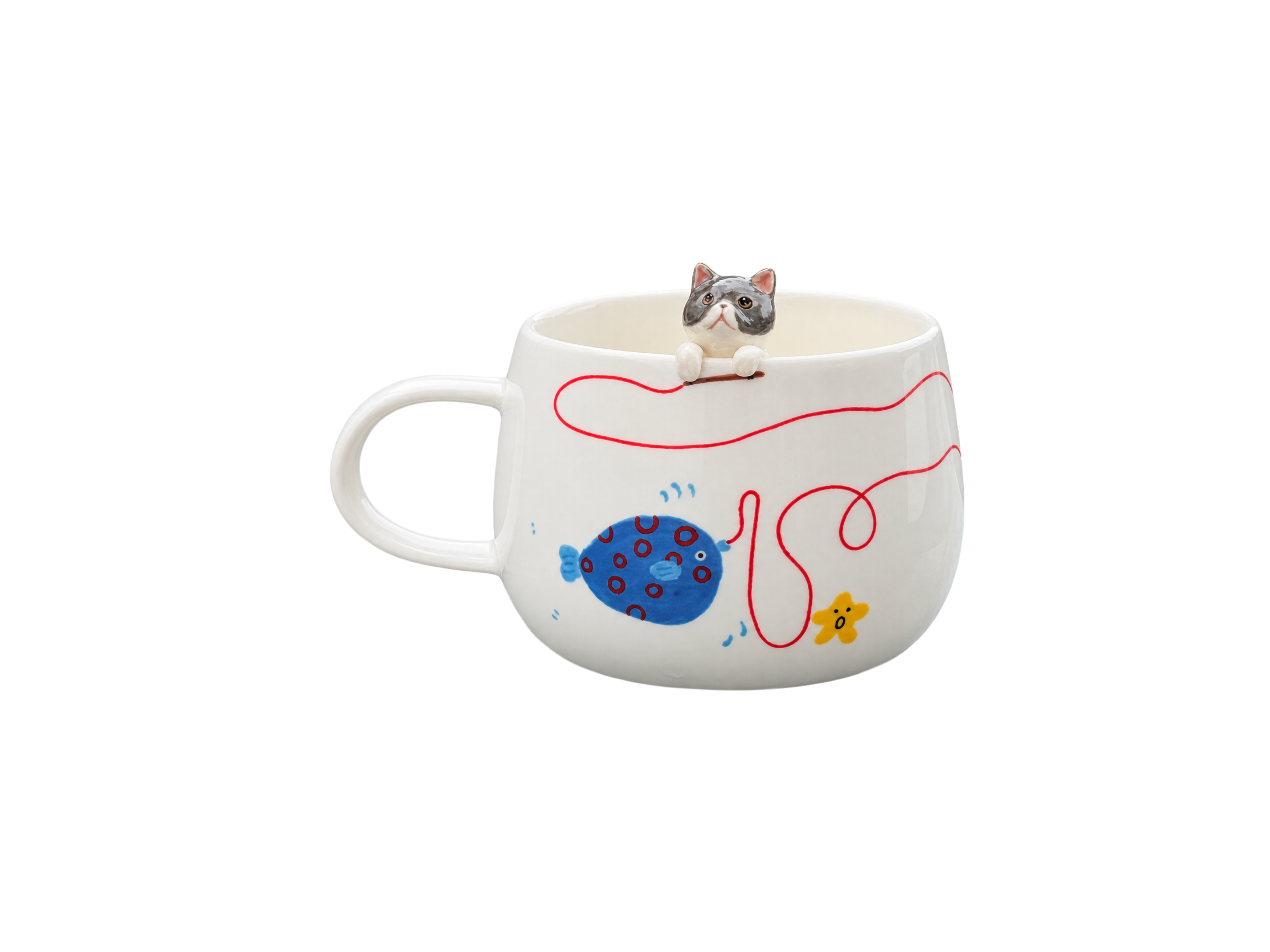
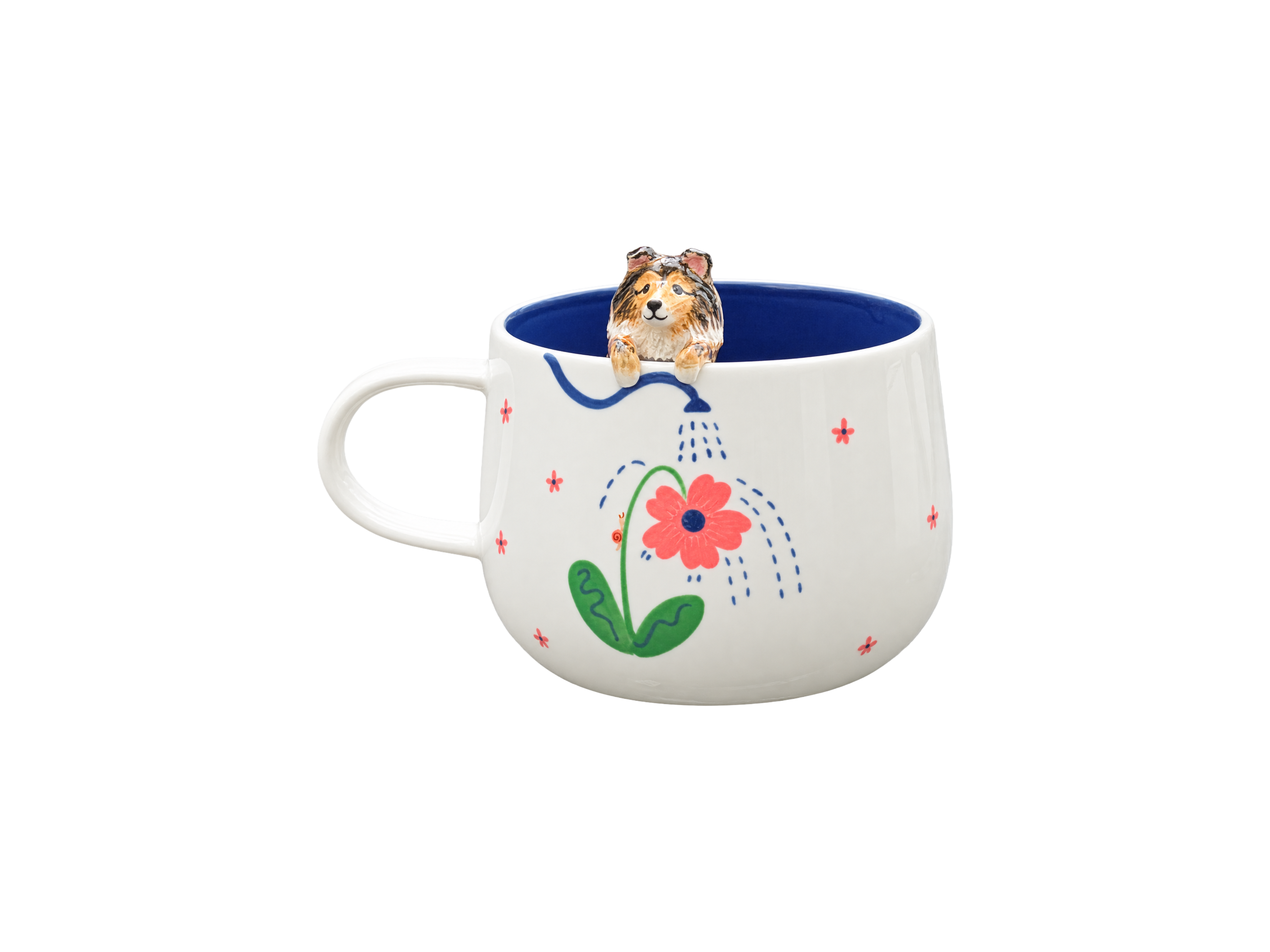
To preserve the memory of a lost pet, start with what made them irreplaceable: an expression, a habit, a nickname, a familiar sound, or a shared moment. You can then choose a photograph, a notebook, a box, a symbolic gesture, or an object. There is no mandatory form or ideal time: the memory should find a place that feels right for you.
There is no "right" way to remember
After the loss of a pet, some people need to look at their photographs immediately. Others prefer to put them away for a while. Some keep their collar close at hand; others don't want to keep any visible objects.
None of these reactions measure the depth of the relationship.
The College of Veterinary Medicine at Cornell University reminds us that everyone reacts differently to the loss of an animal and that there is no prescribed timeline for grief. Emotions can vary from day to day, without following a perfectly linear path.
Creating a memory is therefore neither an obligation nor a step to be accomplished quickly. It can be done in the first few days, several months later, or never take the form of an object.
Start by preserving details that photographs don't tell
Images preserve a face, a posture, or a scene. They don't always preserve the small details that made the animal's presence familiar.
Before choosing an album or object, you can note:
- their nicknames;
- their way of asking for something;
- the place where they liked to sleep;
- the sound of their footsteps or purr;
- a particular mark on their fur;
- a game they often played;
- the way they greeted certain people;
- a walk or journey they knew by heart;
- a habit that made you smile;
- the words you often spoke to them.
It is not necessary to write a beautiful text. A few sentences, a messy list, or a voice recording are enough. The goal is not to compose a perfect narrative, but to preserve what only you knew.
You can also ask others to share their favorite memory. The same animal did not occupy exactly the same place in each family member's life.
What form of remembrance should you choose?
The most suitable form depends on what you wish to preserve, the space you have available, and how you are experiencing this absence.
| What you wish to preserve | Possible form | Nature of the memory |
|---|---|---|
| A simple image | A framed photograph | Visible and immediate |
| Several stages of their life | A printed or digital album | Narrative |
| Words and intimate details | A notebook or a letter | Private |
| A few personal items | A memory box | Tangible |
| A shared place or habit | A plant, a walk, or a small ritual | Living |
| An artistic representation | A drawing, a painting, or a ceramic piece | Interpreted |
| A gesture towards other animals | A donation or volunteering in their memory | Supportive |
No option is more dignified than another. A photograph placed in a book can be as valuable as a specially created object.
1. Choose a photograph that truly tells of their presence
The sharpest photograph is not always the one that best evokes the animal.
You can choose a technically imperfect image because it shows an immediately recognizable expression, a familiar posture, or a shared place. For a frame or an album, this emotional dimension may matter more than photographic quality.
If the photo is to be used for an illustration, a painting, or a model, also keep some more precise references:
- a clear view of the face;
- a profile;
- the color of the eyes;
- the distribution of the coat;
- the silhouette and tail if the body is to be represented;
- distinctive marks.
Avoid keeping only compressed screenshots. When possible, save the original files and create at least one copy on a second medium.
Our guide on choosing photographs for a personalized creation can also help you organize these references.
2. Create an album without trying to keep everything
An album does not need to contain all the photographs taken over the years.
You can select about twenty images telling a simple story: their arrival in the house, their favorite places, the people they met, the seasons, travels, and ordinary moments.
Optionally, add a sentence under some images:
- "He always waited here."
- "It was his first walk by the sea."
- "He recognized the sound of this door."
- "She always chose this armchair."
These captions may become more precious than exact dates. They give the images the context that memory might lose.
If sorting through all the photographs is too difficult, simply create a digital folder titled with their name. You can return to the album later.
3. Prepare a memory box
A box allows you to gather a few items without having to display them permanently.
It can contain:
- a collar or tag;
- a photograph;
- a small toy;
- a health record or an old tag;
- a letter;
- a drawing made by a child;
- a piece of fabric associated with a familiar place.
It is not necessary to keep everything that belonged to the animal. Choose only the objects whose presence seems right to you. You can also close the box and decide not to open it for some time.
If several family members wish to keep the same object, photographing it or telling its story in a notebook can prevent its value from resting solely on its material possession.
4. Write a letter or recount an ordinary day
Writing to your pet can allow you to express unspoken words: thank you, I'm sorry, I miss you, or simply the story of a memory.
Another approach is to recount an ordinary day as it unfolded with them. What time did they get up? Where did they wait for you? What did they do during meals? What was the last gesture of the evening?
Extraordinary memories often remain present on their own. It is sometimes the most ordinary scenes that fade first.
You can keep this letter, read it to a trusted person, or never reread it. Its existence does not need to be shared to have meaning.
5. Choose a living gesture
A memory does not necessarily have to be an object.
Some people plant a flower, return to a beloved place for a walk, light a candle on a particular date, or prepare a meal while sharing anecdotes. Others make a donation or volunteer their time for an organization.
Cornell notably cites planting a tree or flowers, writing, artistic creation, albums, and donations in memory of the animal as possible forms of commemoration. These are suggestions, never prescriptions.
A ritual can be repeated every year or take place only once. It can remain intimate or be shared with those who knew the animal.
6. Involve children without imposing a way of reacting on them
Children do not all understand death in the same way, especially depending on their age. They may ask the same question multiple times, seem very sad, then start playing again a few minutes later.
Cornell recommends honest, age-appropriate communication, and the possibility of participating in the memory through a drawing, a story, or sharing a lived moment. The main thing is to listen to questions, even when adults do not have all the answers.
A child can be invited to choose a photograph or place a drawing in a box, but they should not be forced to participate in a ritual that worries them.
Also avoid ambiguous phrasing like "he fell asleep" when it can create a fear of sleep. Simple, concrete words are often easier to understand.
7. Give artistic form to the memory, if and when it feels right
A portrait, an illustration, or a ceramic piece can integrate the animal's memory into the home. For some people, this object remains discreet. For others, it becomes a focal point around which to tell their story.
An artistic representation does not have to reproduce the last photograph or the period of illness. It can start from an older image showing the expression you wish to preserve.
Maison Scott describes its work as a way of "translating a presence" rather than mechanically copying a photograph. This approach can be suitable when one wishes to recognize a gaze, a posture, or a personality without seeking a perfectly photorealistic reproduction.
Such a creation is neither a treatment for grief nor a replacement. It remains an optional form of remembrance. Take the time to consult the artist's style and only order when the idea brings you more comfort than pressure.
You can observe several interpretations in the Maison Scott Gallery, with no obligation to go further.
Offering a keepsake to a grieving person: should you ask beforehand?
In most cases, yes.
A surprise portrait may seem thoughtful, but a very visible image or object may arrive too soon, use a photograph the person would not have chosen, or impose a way of remembering on them.
You can ask a simple question:
"Would you like me to help you prepare an album or a keepsake, now or later?"
The answer may be yes, no, or not yet. These three answers deserve the same respect.
If the person wants a creation, ideally let them choose the photograph and decide if they want to display the name, a date, or no text.
When to seek external support?
The sadness associated with the loss of a pet can be profound, even when it is not well understood by those around you. It is legitimate to seek out people who can acknowledge this relationship.
Talking to a loved one, the veterinarian, a specialized group, or a healthcare professional can be helpful. The Cornell Feline Health Center notably advises considering professional support when the loss significantly disrupts sleep, eating, relationships, or daily activities.
The Pet Bereavement Support Service at Blue Cross also offers free and confidential listening in English for the loss or separation of a pet.
If the suffering is accompanied by suicidal thoughts or immediate danger, call 3114, the French national suicide prevention number, which is free and accessible 24/7. In case of imminent emergency, call 15 or 112. Official information is available from the Ministry of Health.
What about when the loss has just occurred?
Before thinking about remembrance, practical decisions may be necessary. Your veterinarian can explain the options adapted to the situation.
The website Service-Public.fr summarizes French rules regarding the handling of the body, cremation, ashes, and the declaration of death to the I-CAD file for identified domestic carnivores.
These steps do not have to be done alone when the situation overwhelms you. Ask the veterinarian or a trusted person to help you read the documents and retain important information.
Keeping a place without holding back time
Preserving a memory does not mean remaining static in the moment of loss. Sometimes it is simply about recognizing that a relationship existed and that it continues to be part of our story.
A photograph, a phrase, a walk, or an object can remain invisible for a long time before finding its place. You have the right to look at them, put them away, move them, or change your mind.
The memory does not need to be spectacular. It only needs to respect the relationship you shared and the pace at which you can now look at it.
FAQ
When to create a keepsake after the death of your pet?
There is no ideal timeframe. Some people do it immediately, others several months or years later. Wait until the process brings you more comfort than constraint.
What can you put in a memory box?
A tag, a collar, a photograph, a small toy, a letter, or a drawing. It is not necessary to keep everything.
Which photo should you choose for a memorial portrait?
First, choose an expression you recognize. Then add clear photos showing the colors, face, profile, and distinctive marks.
Should you offer a portrait to someone who has just lost their pet?
Ask them beforehand if they would appreciate this idea. An imposed portrait or one made from an unchosen photo may arrive too soon.
When to seek help after the loss of a pet?
Professional help can be useful when suffering persistently disrupts sleep, eating, relationships, or daily activities. In France, anyone experiencing suicidal thoughts can call 3114 free of charge.