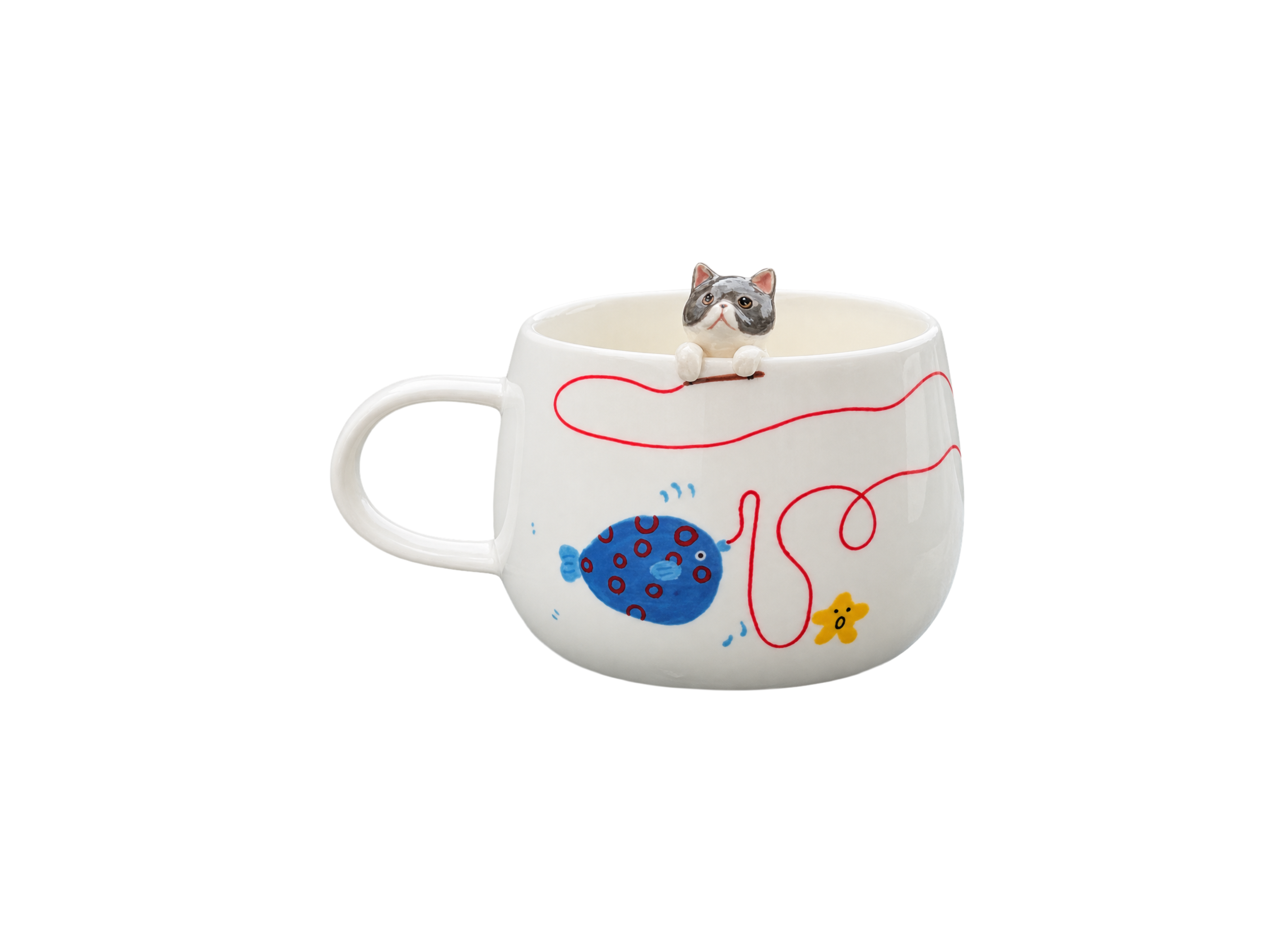
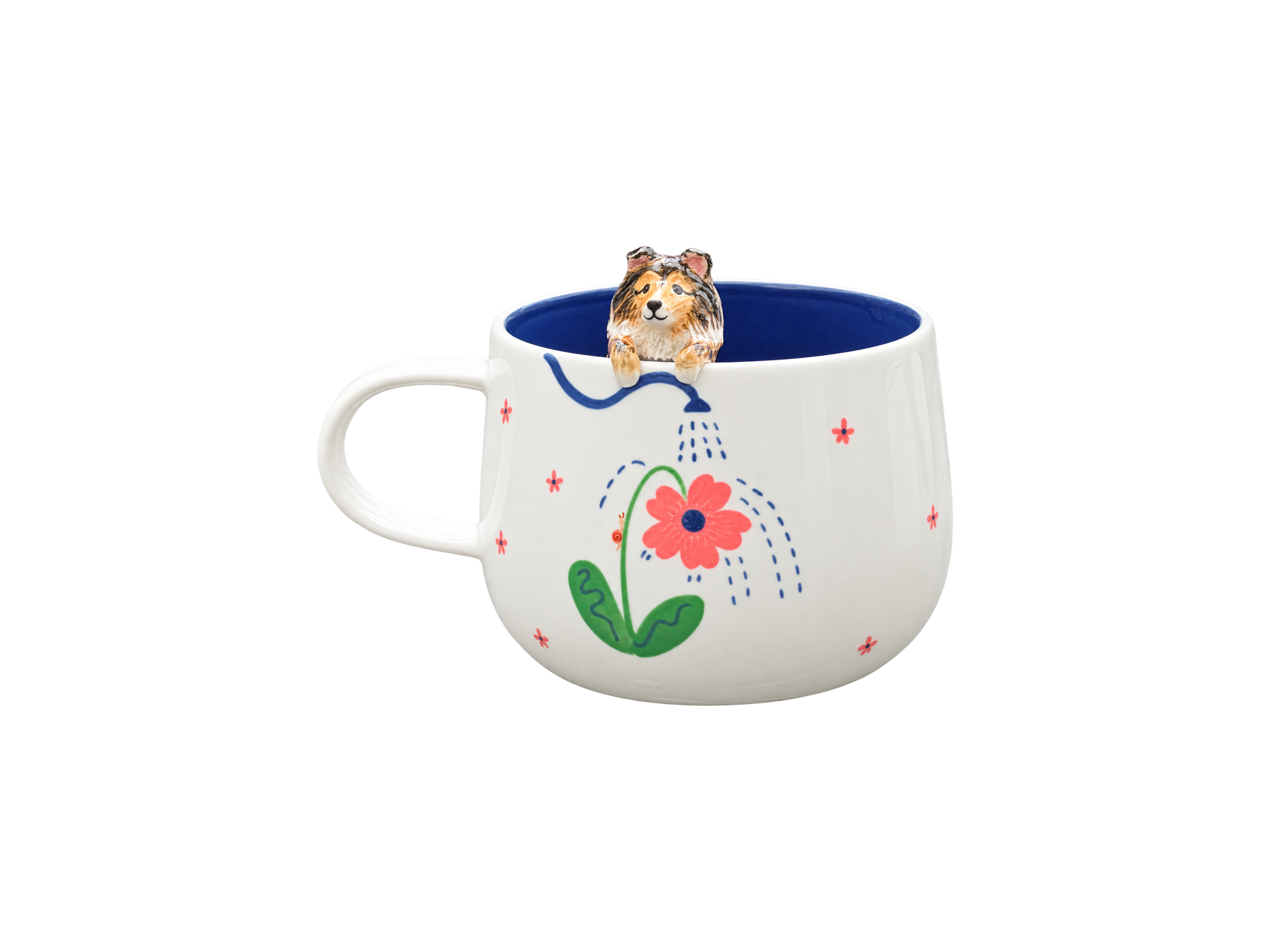
To photograph a senior pet for a custom portrait, begin with comfort rather than a perfect pose. Use a familiar room, soft natural light and a non-slip surface, then work at your pet’s eye level while they sit or lie as they normally do. One expressive main photo plus a few calm supporting views will usually tell an artist more than a long, tiring session.
A gentle photo session starts with comfort
An older dog or cat may tire sooner, move more cautiously or dislike being repositioned. The best reference photograph is therefore not the one that asks the most of them. It is the one made while they feel secure enough to look like themselves.
Choose a place your pet already enjoys: a favourite bed, a quiet patch of carpet, a sofa they can reach safely or a sheltered spot outdoors. If the floor is smooth, add a rug or yoga mat. The American Animal Hospital Association’s senior-care guidance recommends good traction, padding and low-stress handling for older animals. Those principles translate naturally to a short photo session at home.
- Let your pet choose a comfortable seated or lying position.
- Keep the session brief and pause as soon as attention fades.
- Move the camera instead of repeatedly moving the animal.
- Avoid lifting, turning or extending a stiff limb for appearance.
- If your pet seems painful, unusually breathless or distressed, stop and speak with your veterinarian.
A portrait is never more important than the animal’s comfort. Fortunately, a relaxed expression is also far more useful than a rigid pose.
Photograph the pet you know now
A grey muzzle, a softer coat, a cloudy eye, a small scar or a changed ear position may feel like signs of time. They are also part of the face you recognise today. Unless you specifically want a portrait that recalls an earlier life stage, do not hide these features before sending the photographs.
Record age-related details honestly and kindly. Identity may live in the silver hairs around the eyes, the way one ear rests lower, or the calm expression developed over many years.
If you want the finished piece to show a younger life stage, say so clearly and provide photographs from that period. An artist cannot reliably infer a younger face from a current image alone.
Choose the right moment, not only the right place
Plan the photograph for the part of the day when your pet is naturally awake but not excited or tired.
Avoid introducing a new room, costume or complicated setup. Familiarity matters more than a styled background because the background is rarely the essential reference for a custom ceramic portrait. A plain wall, curtain or blanket can make the outline easier to read, but it should not require the animal to leave a comfortable place.
Use soft, directional daylight
Place your pet near a window or open doorway, with the light falling from the front or slightly to one side. Overcast daylight is especially forgiving. It reveals coat texture without the hard reflections created by direct flash.
Do not point the camera toward a bright window behind the animal unless you know how to correct the exposure. A backlit photograph can turn facial markings into shadow. If the room is dim, open a curtain or move the bed closer to the light rather than using flash close to the eyes.
Keep the surface stable
Older animals may have reduced mobility or sensory changes. The Blue Cross guide to caring for older dogs recommends making the environment easier to navigate and covering slippery surfaces. For photography, a rug or familiar blanket can provide both grip and a calm visual background.
Work at eye level without asking the pet to move
Photographs taken from standing height often make the head look small and the back dominant. Instead, lower the phone until the lens is close to the animal’s eye level. Sit on the floor, kneel beside the bed or hold the phone at the edge of the sofa. If getting close would disturb your pet, step back and use a modest optical zoom.
Keep a little distance between the lens and the face. A phone held very close can exaggerate the nose and compress the sides of the head. A portrait made from about one to two metres away, then lightly cropped, usually preserves proportions more faithfully.
You do not need constant eye contact. A three-quarter view can show the muzzle, forehead and both sides of the face beautifully. A profile can clarify nose length and ear shape. The most useful angle is the one that reveals your pet’s distinctive structure while preserving a natural expression.
Capture the face, eyes and true coat colour
Tap the screen on the nearer eye before taking the photograph. If the eyes are not equally sharp, the eye closest to the camera should usually receive focus. Take several frames without changing the pose; a tiny movement can turn a nearly useful image into a clear one.
Cloudiness in a senior pet’s eye can make autofocus less certain. It can also produce a bright reflection near a window. Change your position slightly rather than trying to remove the feature with a filter. The goal is a readable eye shape and expression, not artificial perfection.
Compare the colour with your pet while you are still in the room. If it looks wrong, move to neutral daylight. Avoid beauty filters, portrait blur and aggressive sharpening because they can erase whiskers and markings.
Build a small, useful reference set
One photograph can carry the mood, while supporting views confirm shape and markings. Aim for a concise set.
- One main portrait: the expression and angle you would most like to see in the finished work.
- One front or three-quarter view: useful for eye spacing, facial markings and ear position.
- One side view: useful for the muzzle, forehead and profile of the ears.
- One wider view: showing body proportions, chest markings, tail or usual posture.
- One detail photograph: a distinctive patch, eye colour, nose, collar or scar that is easy to miss.
- One earlier photograph if relevant: only when it clarifies a feature that is no longer visible or supports a requested younger-life interpretation.
For a hand-modelled figurine, side and rear views can be especially useful because the artist is considering a three-dimensional form. For a painted portrait, a strong main facial image may carry more weight. Maison Scott’s customisation FAQ explains that each piece is an artisanal interpretation based on the photographs provided rather than a mechanical reproduction.
Add a few notes that photographs cannot explain
A useful note is short, concrete and personal. It should guide attention, not ask the artist to diagnose what the camera failed to record.
- Which photograph should lead the expression and viewing angle?
- Are the grey muzzle and other senior features important to keep?
- Should the portrait represent your pet now or at an earlier age?
- Which markings are essential for recognition?
- Is a collar, bow or other accessory part of how you remember them?
- Does one image show colour accurately while another shows expression better?
What if you only have older or imperfect photographs?
Do not discard an image simply because it is old, slightly soft or taken on an earlier phone. Send the original file whenever possible, without screenshots, social-media compression or heavy filters. A group of imperfect photographs can sometimes answer more questions than one processed image.
Look for complementary evidence: one photo may show true coat colour, another the ears, and a third the familiar expression. Maison Scott’s guide to using an old or slightly blurred pet photograph explains what information may still be recoverable and what no filter can faithfully reconstruct.
A calm ten-minute session plan
- Choose the time of day when your pet is usually comfortable and alert.
- Prepare a familiar bed, rug or blanket near soft daylight.
- Remove visual clutter, but do not rearrange the whole room around the animal.
- Clean the phone lens and turn off flash, filters and portrait blur.
- Begin from a comfortable distance and take one natural three-quarter view.
- Move yourself for a front view and a profile; do not rotate the pet repeatedly.
- Take one wider photograph and one close detail of a distinctive marking.
- Check focus and colour while your pet rests.
- Stop if they turn away repeatedly, become restless or seem tired.
- Select the clearest six or seven images later, rather than continuing the session.
Common mistakes to avoid
- Waiting for a standing pose: a lying portrait can be equally useful.
- Prolonging the session with treats: repetition may create excitement or fatigue.
- Photographing too close: it can distort the nose and head.
- Hiding every sign of age: removing every silver hair can reduce recognition.
- Sending only close-ups: include one wider view for posture and markings.
- Choosing sharpness over expression: the main image must still feel like your pet.
Frequently asked questions
Does my senior pet need to stand for a portrait photo?
No. A seated or lying photograph can be an excellent reference if the face, ears, markings and natural proportions are visible. Comfort should determine the pose.
Should I remove a cloudy eye or grey muzzle with an editing app?
It is better to send the unedited original. If you want a different interpretation, explain it in a note and provide earlier photographs when available. Filters can remove real information the artist may need.
How many photographs should I send?
Start with one expressive main photograph and about five supporting views. A concise, varied set is easier to interpret than many nearly identical images.
Can photographs from different ages be combined?
They can provide complementary information, but identify which age should guide the final portrait. Mark the main image and explain what each older or newer photograph is meant to clarify.
What if my pet dislikes looking at the camera?
Do not force eye contact. Photograph them looking toward a familiar person, a quiet sound or a window. A natural three-quarter gaze often feels more personal than a direct stare.
A portrait can honour the present gently
Photographing an older companion is not a search for flawlessness. It is a way of noticing the face, posture and small details that years together have made precious. Keep the session short, let comfort lead, and choose the image in which you recognise them immediately.
When you are ready, explore Maison Scott’s personalised ceramic creations and select the format that best suits the memory you would like to keep close.